Theme · Order · Ecstasy
Reason vs. Passion
Should a good life be ruled by reason, or by desire and emotion? The Greeks gave the conflict faces — and the philosophers gave it arguments.
 Michael Paycer
Should a good life be ruled by reason, or by desire and emotion? The Greeks gave the conflict faces — and the philosophers gave it arguments.
Michael PaycerThe question
Reason or passion — which should rule?
Greek figures
Apollo, Dionysus, Athena, Aphrodite
Philosophers
Plato, the Stoics, Nietzsche
Image
The charioteer of the soul
The Greeks personified the conflict between order and desire across their pantheon. Apollo and Athena stand for reason, measure, and disciplined wisdom; Dionysus, Ares, and Aphrodite for passion, ecstasy, rage, and desire.
Out of that contrast comes one of philosophy's central questions: should a good life be governed by reason, by emotion, by pleasure, by duty — or by some balance of them? The answer a thinker gives largely defines their ethics.
The cleanest version of the contrast: Apollo the god of form, clarity, and the boundaried self, against Dionysus the god of intoxication, music, and the dissolving of the self. Order against life-force, in two divine figures.
In war the same split appears: Athena's disciplined, reasoned strategy against Ares' blind bloodlust. The Greeks' clear preference for Athena is itself a verdict on the value of reason over raw passion.
Aphrodite's desire can inspire love or wreck a life — it launches the Trojan War. Passion in Greek myth is powerful and creative, but it is exactly what reason must learn to govern rather than obey.
Plato pictured the soul as a charioteer (reason) driving two horses — one noble (spirit), one unruly (appetite). Justice in the soul is reason ruling the passions without destroying them. The image has shaped Western psychology ever since.
Stoicism went furthest, treating destructive passions as errors of judgment to be corrected by reason. The goal was not coldness but freedom from being ruled by fear, craving, and rage.
Nietzsche warned against too much order. His Apollo-versus-Dionysus argument insisted that a full life and great art need both — that reason without passion is sterile, and the Dionysian cannot simply be suppressed.
Public-domain depictions — click any image to view it full size.
“Reason should rule, with spirit as its ally and appetite as its servant.”
after Plato, Republic (paraphrase)
“We have art so that we may not perish by the truth.”
Friedrich Nietzsche
Order, form, measure, the boundaried self — the drive to make life intelligible.
Ecstasy, music, desire, the dissolving of the self — the drive that makes life felt.
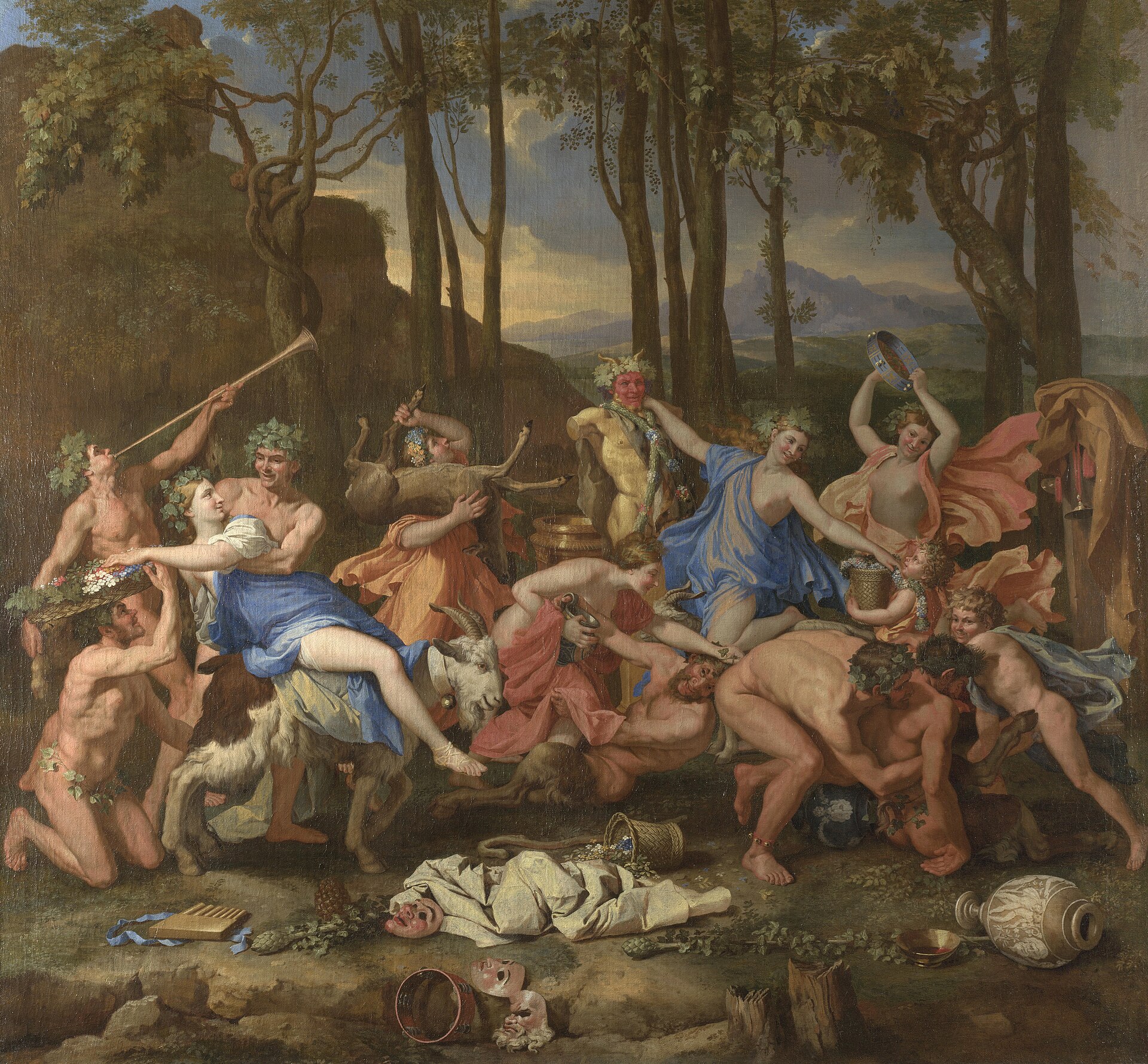
Nietzsche's contrast between Apollo (order, reason, form) and Dionysus (ecstasy, passion, chaos), drawn from Greek myth. He argued that great art and a full life need both in tension.
Plato's image of the soul as a charioteer (reason) steering two horses — spirit and appetite. A just, healthy soul is one in which reason rules the passions rather than being ruled by them.
Philosophers disagree: Plato and the Stoics give priority to reason governing the passions, while Nietzsche insisted that passion and the 'Dionysian' are essential and cannot simply be suppressed.
When I am not reading Homer or Nietzsche, I tune databases, design high-availability systems, and run cloud migrations.