The Olympians · Fire · Craft
Hephaestus, God of the Forge
The divine smith — marked by physical imperfection, yet the most skilled of all the gods, and the one who actually makes the world the others enjoy.
 Michael Paycer
The divine smith — marked by physical imperfection, yet the most skilled of all the gods, and the one who actually makes the world the others enjoy.
Michael PaycerRole
Fire, metalworking, craft, technology
Symbols
Hammer, anvil, forge, tongs
Domain
The forge
Family
Son of Hera; husband of Aphrodite
Hephaestus is the divine smith — god of fire, metalwork, and craft. Cast from Olympus and left lame, he is the one Olympian marked by physical imperfection, and yet the most skilled of all.
He forges the gods' palaces and thrones, the armor of Achilles, and self-moving automata — the mythic image of technology. The imperfect craftsman quietly gets the last word.
Myths disagree on his fall: in one, Hera casts out her imperfect son; in another, Zeus hurls him from Olympus and the long fall leaves him lame. He sets up his forges beneath volcanoes — Mount Etna above all — where the Romans, as Vulcan, located his workshop.
He was honored especially in craft-centered cities; the well-preserved Hephaisteion above the Athenian agora, temple of the smiths and potters, still stands as his monument.
At Thetis's request, Hephaestus forged a new suit of armor for Achilles. Homer's long description of the shield — a whole cosmos of cities, fields, and stars worked in metal — is the most famous celebration of craft in ancient literature.
Learning of Aphrodite's affair with Ares, Hephaestus forged a net so fine it was invisible and so strong none could break it, trapping the lovers and exposing them to the gods — skill outwitting both beauty and force.
On Zeus's order, Hephaestus shaped the first woman, Pandora, from earth and water — the craftsman as maker not only of objects but of beings.
Cast out by his mother Hera, Hephaestus took revenge by sending her a beautiful golden throne that trapped her fast when she sat. Only he could free her — and he bargained his way back to Olympus. Skill, again, outmaneuvering power.
Hephaestus built self-moving tripods that rolled to the gods' feasts on their own, and golden handmaidens who could speak and think — the oldest dream of intelligent machines in Western imagination.
As Vulcan, Hephaestus gave his name to the volcano (Mount Etna housed his forge) and to "vulcanized" rubber. His golden automata make him a patron saint of engineers and roboticists — the mythic ancestor of every machine that thinks or moves on its own.
He endures as the dignity of work made divine: the one imperfect Olympian, whose worth lies entirely in what he makes. In a culture that prized beauty and birth, that quiet reversal — value through skill and labor — is one of mythology's most humane and forward-looking ideas.
The hammer, anvil, and forge-fire are Hephaestus's tools of transformation — raw matter remade into beauty and use. Fire itself, his element, is the great symbol of craft and technology: dangerous, creative, civilizing.
He is the archetype of the wounded maker — physically imperfect, cast out, yet indispensable, because he creates what everyone else merely enjoys. In a culture that worshipped beauty and birth, Hephaestus stands for a quieter and more durable kind of worth: value earned through skill and labor.
Famous public-domain depictions — click any image to view it full size.
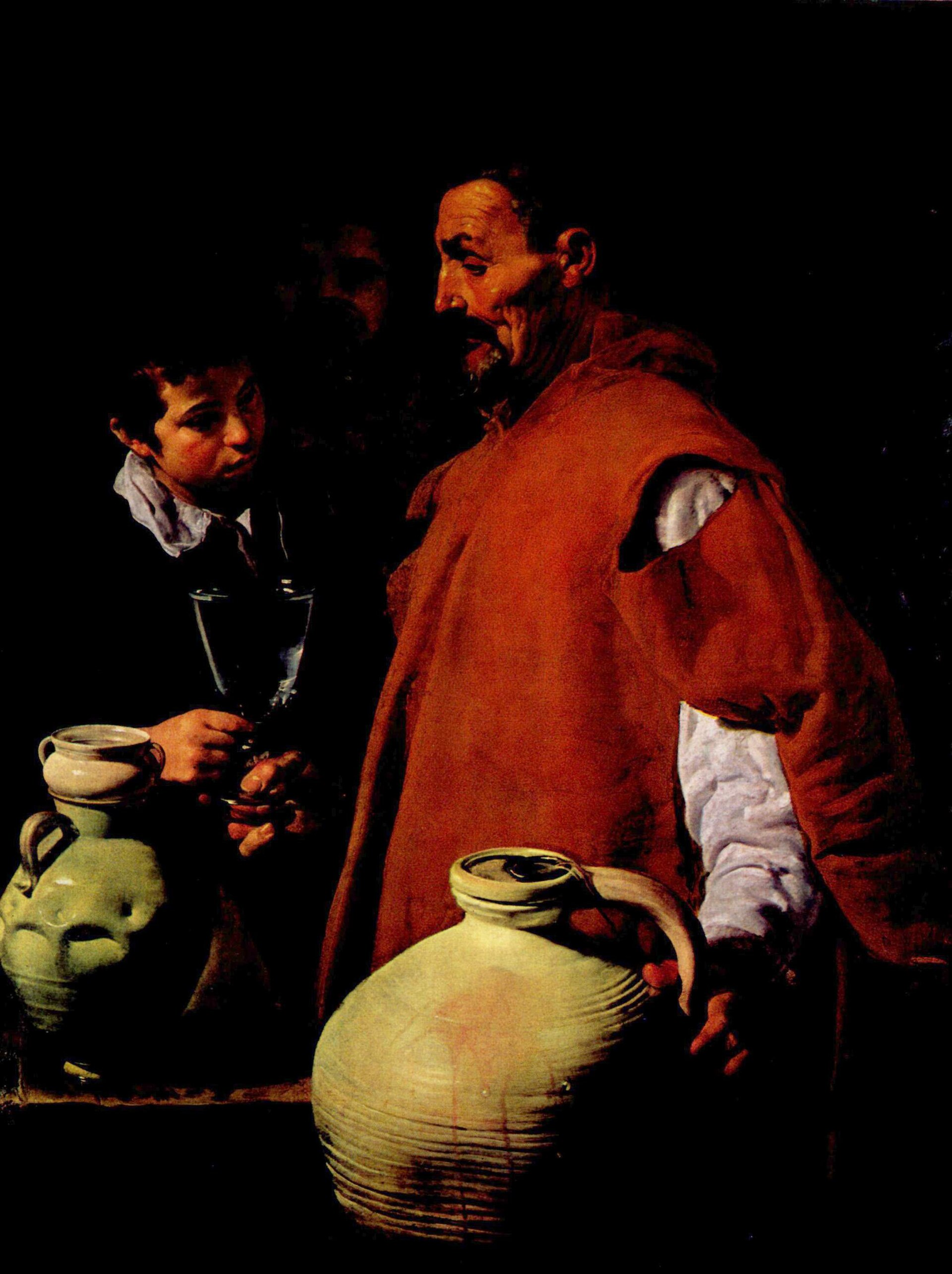
“And first Hephaestus made a shield, great and strong... and on it he wrought the earth, the heavens, and the sea.”
Homer, Iliad 18 — the shield of Achilles
“There is no second Hephaestus among the gods so cunning with his hands.”
after Homer, Iliad (paraphrase)
“With cunning skill he wrought it.”
Homer, Iliad — of Hephaestus' craft
Hephaestus dignifies work and skill over beauty and birth: the imperfect, laboring god is the one who actually makes the world the others merely enjoy.
He stands against the assumption — strong in Greek culture — that physical perfection equals worth. His value lies entirely in what he creates, a different and more durable measure of excellence.
He also raises the philosophy of techne, craft-knowledge. The Greeks debated how making and skill relate to true knowledge and the good life; Plato and Aristotle both ask whether craft is a model for wisdom or a lesser kind of it.
Worth through skill and labor — the maker, imperfect but indispensable.
Worth through beauty — perfection of form, married to the craftsman.
Fire, the forge, metalworking, and craftsmanship. He is the maker among the gods, creating their finest weapons, armor, and devices.
Myths vary: he is cast from Olympus (by Hera, or by Zeus) and injured in the fall. He is the one Olympian marked by physical imperfection — yet unmatched in skill, which is part of his point.
Among other things, the armor of Achilles, the thrones and palaces of the gods, the first woman Pandora, and self-moving automata — the mythic image of craft and technology.
Yes — Vulcan is the Roman name for the same god of fire and the forge.
When I am not reading Homer or Nietzsche, I tune databases, design high-availability systems, and run cloud migrations.