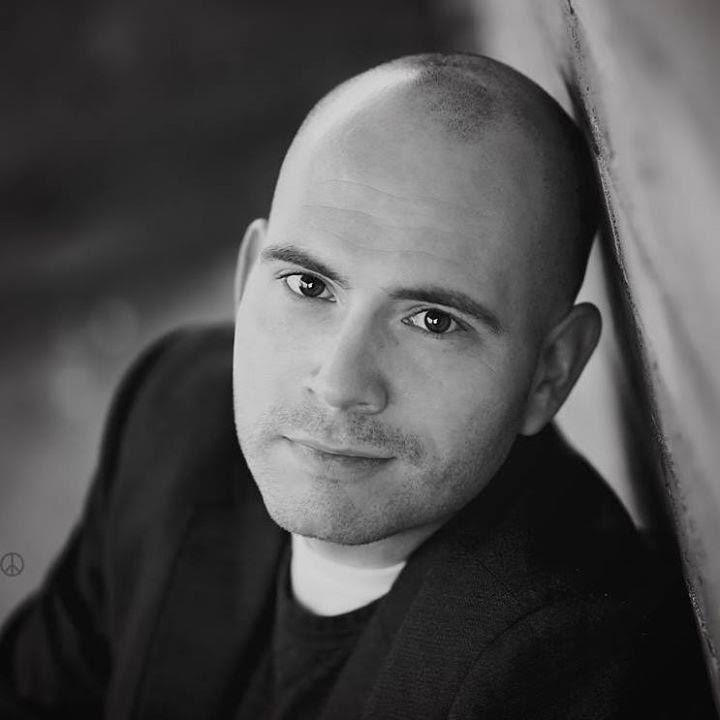
Fischer's Openings & Legacy
Fischer's competitive career was short, but his fingerprints are everywhere in modern chess: in the opening theory he deepened, the famous book he wrote, the gambit he tried to bury, and the entirely new form of chess he invented when he decided the old one had grown stale. This is what he left behind.
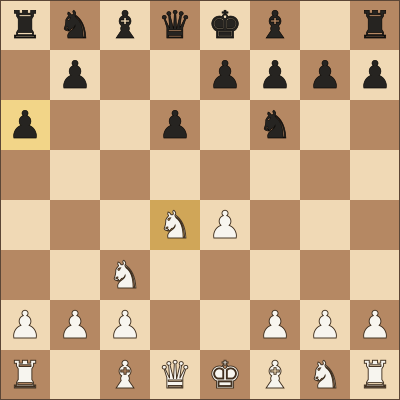
The Najdorf Sicilian (1.e4 c5 2.Nf3 d6 3.d4 cxd4 4.Nxd4 Nf6 5.Nc3 a6) — which Fischer called "the Rolls-Royce of openings." His trust in it, and his deep analysis, helped turn the Najdorf into the most studied defence to 1.e4 in chess.
Fischer's openings
As White, Fischer was famously devoted to 1.e4 — "best by test," in his phrase — and to the Ruy Lopez, which he handled with model clarity. As Black he leaned on two of the sharpest weapons in chess: the Najdorf Sicilian against 1.e4, and the King's Indian Defence against 1.d4. Both are counterattacking systems that play for the win — a perfect fit for a player who despised dull draws and fought for the full point in every game.
The essay that tried to bury an opening
In 1961, the teenage Fischer published one of the most famous analytical essays ever written. After losing a King's Gambit, he went home, worked out what he believed was a refutation, and printed it: "A Bust to the King's Gambit." His claim was that 2...exf4 3.Nf3 d6 — now called the Fischer Defense — gives Black a safe, lasting advantage.
The essay shows Fischer's analytical fearlessness — he was willing to declare a 400-year-old opening broken, in print, as a teenager. Modern engines later softened the verdict: White keeps adequate compensation with precise play. But the "Bust" reshaped how the King's Gambit is played to this day. The full story is in the King's Gambit series.
Fischer Random — outrunning theory
By the 1990s Fischer had come to believe that elite chess was being smothered by memorized opening preparation — that players were reciting analysis, not creating over the board. In 1996 he proposed a fix: Fischer Random, now known as Chess960. The pieces on the back rank are shuffled into one of 960 legal starting positions before the game, so no one can prepare the opening in advance. The rules of chess are unchanged; only the memorization is erased.
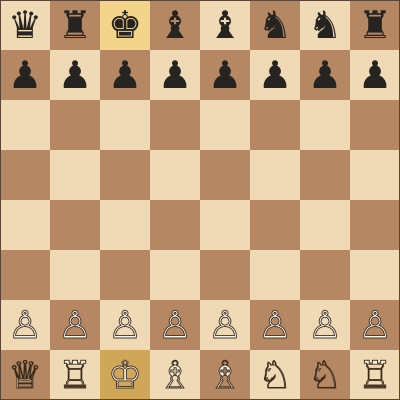
A Chess960 (Fischer Random) starting position — the back-rank pieces shuffled while keeping the game's rules intact. From move one, players are on their own: understanding and creativity replace memorized theory. It is now an official discipline with its own world championship.
It was a fitting final gift from a player whose whole career was a war on the routine. Chess960 is now played at the highest level and has its own world champions — Fischer's idea, vindicated decades on. For more, see the Chess960 explainer.
Fischer's Legacy — FAQ
What is My 60 Memorable Games?
Fischer's 1969 annotated collection of his finest games — widely regarded as one of the greatest chess books ever written. Its honesty (he included losses and criticized his own play) and the clarity of its analysis make it a classic still studied today.
What is Fischer Random (Chess960)?
A variant Fischer introduced in 1996 in which the back-rank pieces are shuffled into one of 960 legal starting positions. It keeps the rules of chess but erases memorized opening theory, forcing creativity from move one.
Did Fischer really refute the King's Gambit?
In his 1961 essay he argued that 2...exf4 3.Nf3 d6 gives Black a safe advantage. The chess world took it seriously, but later computer analysis showed White keeps adequate compensation with precise play — so the "bust" was influential rather than final.
The Najdorf — "the Rolls-Royce of openings," Fischer's favourite weapon as Black.
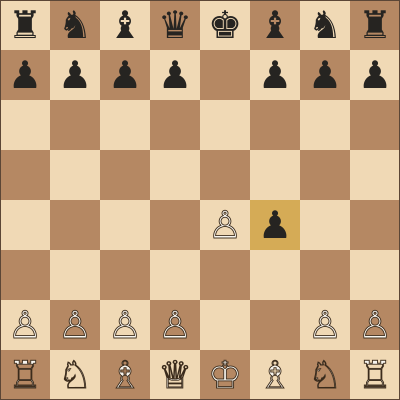
The King's Gambit Accepted — the opening his 1961 "Bust" tried to refute with 3...d6.
Chess960 / Fischer Random — his invention to set chess free from opening theory.
- Fischer, R. My 60 Memorable Games (1969).
- Fischer, R. "A Bust to the King's Gambit" (American Chess Quarterly, 1961).
- History of Fischer Random / Chess960 (introduced 1996).
- Kasparov, G. My Great Predecessors, Vol. IV (Fischer).
Bobby Fischer — Part 3 of 3
That completes the Fischer guide — the prodigy, the 1972 summit, and the ideas he left the game. Explore more champions, or dive into the openings he made famous.