A formidable enemy
Zanticus was king of the Iazyges, a Sarmatian people who did severe damage to Rome in the northern wars. This was no walkover, and the tribute says so plainly: the Iazyges were tough, mobile, and dangerous, and they produced one of antiquity's most striking battle scenes — Roman legionaries fighting the Sarmatians on the frozen surface of the Danube, holding formation on the ice. You do not remember a battle like that against a weak foe. No securely preserved words of Zanticus survive; what Cassius Dio does record is the moment the king's defiance finally ended, when he came in person to submit:
“Zanticus himself” appeared as a supplicant before Marcus.
Cassius Dio, Roman History, Book 72
The hero's persistence
Zanticus tested a quieter virtue than betrayal or invasion: persistence. The Iazyges were not beaten in an afternoon. Marcus pressed the war against a hard, resilient people until their king walked into the Roman camp and knelt. The scale of the final settlement is the measure of how hard they had fought — and of what Marcus's patience achieved. The Iazyges returned roughly 100,000 Roman captives (even after many others had already died, escaped, or been sold), and furnished 8,000 cavalry, of whom Marcus sent 5,500 all the way to Britain.
Read that number again. One hundred thousand human beings — Roman soldiers and civilians who had been carried off into captivity — came home because Marcus refused to quit the war. Strip away the abstractions of empire and strategy, and what the campaign against Zanticus actually produced was the largest rescue in the whole story. A hard war ended as a homecoming.
The honest shadow — and why it flatters him
Marcus apparently wanted an even more decisive destruction of Iazygian power, but the revolt of Avidius Cassius forced him to make peace earlier than he wished. He accepted a settlement he considered unfinished. That is not a failure — it is a leader choosing the whole empire's stability over his own preference for total victory. Even frustrated, even pulled in two directions at once, he took the good peace in front of him instead of chasing the perfect one. Discipline over ego: that is the man the Meditations describes, acting exactly as advertised.
Why Zanticus belongs in the tribute
Not every heroic act is a dramatic gesture of mercy. Some heroism is just the refusal to give up on a grinding, thankless campaign against a formidable enemy — and the wisdom to close it out at the right moment for reasons larger than yourself. Against Zanticus, Marcus showed both. Set beside the rest of the adversaries, the Iazyges are where you see his endurance and his judgment working together, and a hundred thousand people got their lives back because of it.
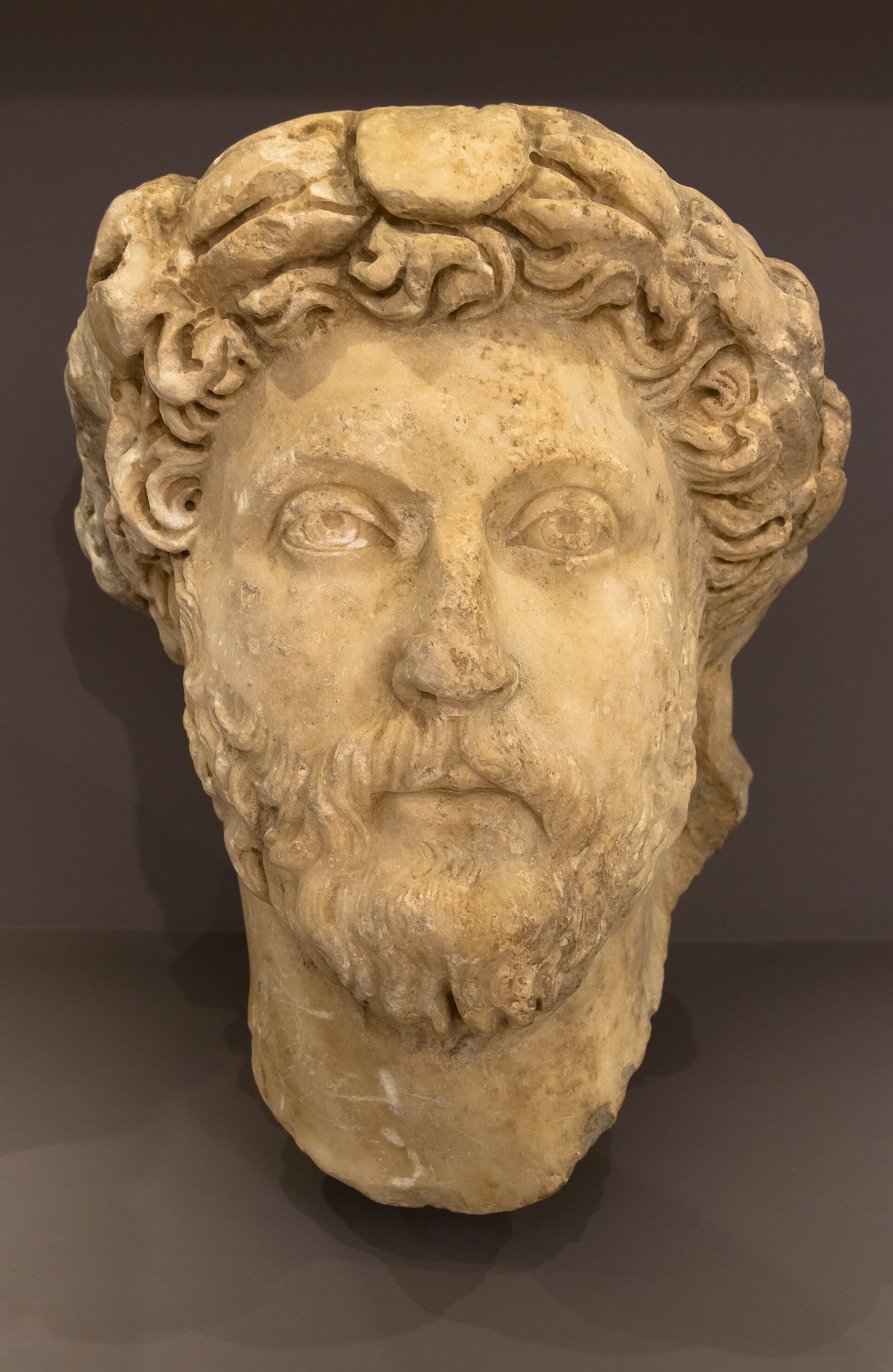 Marcus Aurelius