The betrayal
Avidius Cassius was no minor rebel — and the scale of him is the scale of the wound. He was one of Rome's most successful generals, distinguished in the Parthian War and the man who crushed a dangerous revolt in Egypt. Marcus had rewarded that record with enormous authority across the entire eastern half of the empire. Then, in AD 175, on a false report that Marcus had died, Cassius declared himself emperor.
This is the crisis that aimed straight at the man rather than the frontier. An invasion tests a general; a betrayal by a beloved friend tests a soul. In Cassius Dio's literary reconstruction of a speech Marcus gave to his soldiers — a reconstruction, not a transcript — the emperor does not curse the traitor. He grieves him:
“my dearest friend.”
Marcus, in Cassius Dio's reconstructed speech (Book 72) — not a verbatim record
No unquestioned words of Cassius himself about the revolt survive, so this page puts none in his mouth. What survives is what Marcus did next — and it is the finest thing in the whole reign.
The answer that makes him a hero
According to Dio, Marcus's stated wish was to take Cassius alive — not to parade him, not to torture him, but to forgive him. Sit with how rare that is. A ruler who has just been declared dead-and-replaced by his own favorite, whose loyalty and honor have been publicly betrayed, wanted to pardon the man. The revolt collapsed on its own; it lasted only about three months and six days before Cassius was murdered by his own officers, having failed to win the empire's support. When they killed him and brought the proof, Marcus refused even to look at the severed head.
Then came the part that cost something. With the rebellion broken, Marcus held real power over everyone who had joined it — and he chose clemency. He treated most of the defeated rebels with remarkable mercy rather than launching the bloodbath a frightened emperor would have been expected to order. This was not weakness; it was the hardest kind of strength, the refusal to let fear and grief turn him cruel.
Philosophy under fire
The whole point of the Meditations — the counsel to meet wrongdoing without hatred, to remember that people act badly out of ignorance, to guard your own character above all — could have been just fine writing. Avidius Cassius is where it stopped being writing and became a decision made under maximum pressure. Betrayed by someone he loved, Marcus reached for mercy. The philosophy held. That is why he is the hero of this story and Cassius is only its occasion.
Why this is the heart of the tribute
Of the five enemies in this cluster, Cassius tested the rarest thing. Ballomar tested Marcus's endurance; the Parthian war tested his statecraft. Cassius tested his heart — whether a man who had spent his life telling himself to be just and forgiving would actually be just and forgiving when justice and forgiveness cost him the most. He passed. Read beside the balanced account of all the adversaries, and beside the tragedy of his own son Commodus, the Cassius affair is the clearest single window into why people have loved this emperor for eighteen centuries.
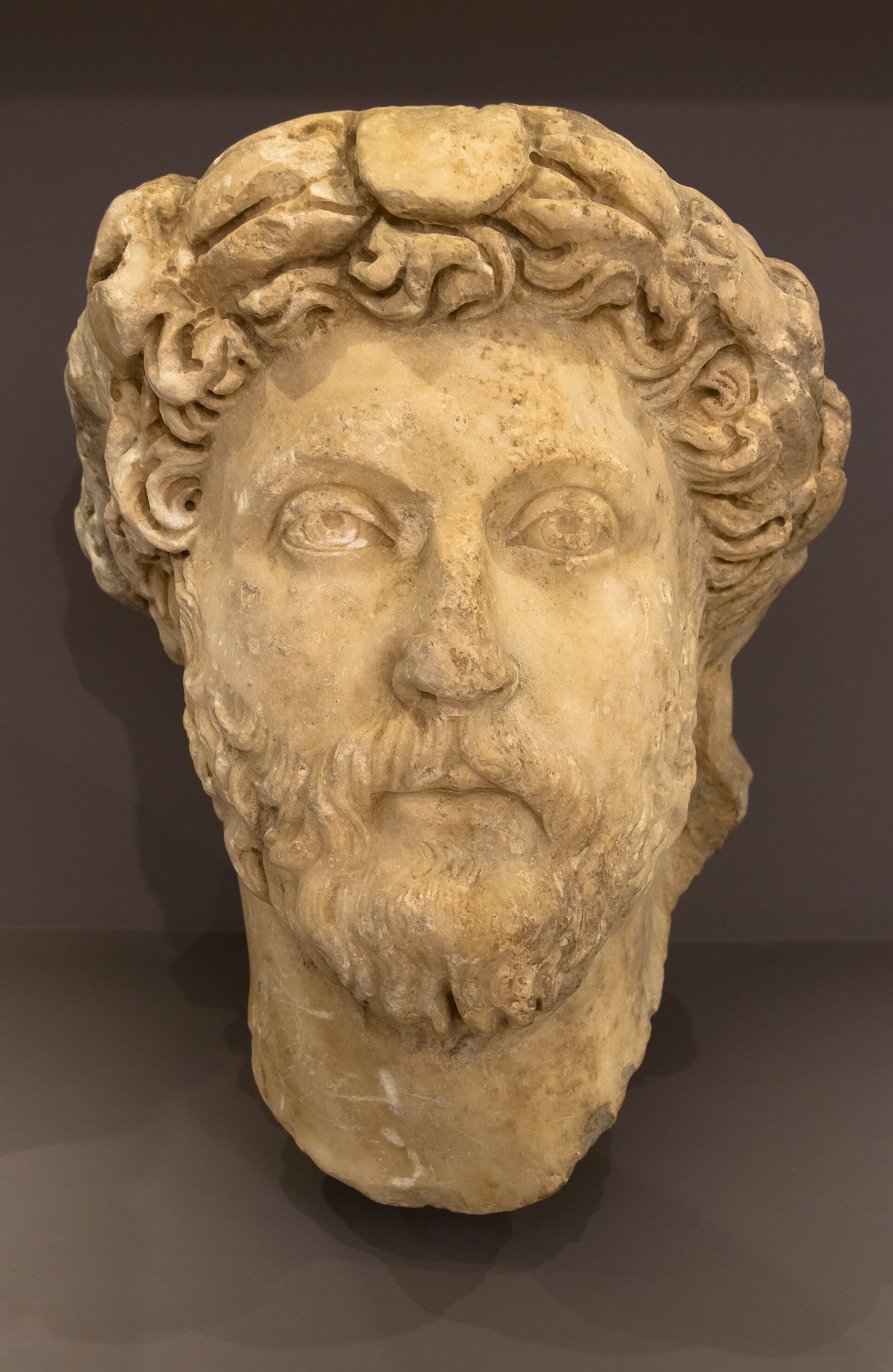 Marcus Aurelius