A worthy, defiant enemy
Ariogaesus became king of the Quadi after his people deposed Furtius, a ruler who had come to terms with Rome. He would not be Rome's puppet. Marcus refused to recognize him and rejected renewed peace while Roman prisoners were still in enemy hands — and Ariogaesus kept defying him. No secure words of Ariogaesus survive, so this page attributes none to him; he was a real and stubborn adversary, and the tribute grants him that. What survives instead is one of the most revealing episodes of the entire war — and its surprising ending.
The ruthless half
This page will not pretend Marcus was a gentle abstraction. When strategy demanded hardness, he could be genuinely hard. He treated Ariogaesus as an outlaw to be hunted and placed an extraordinary price on him: 1,000 gold pieces if he were brought in alive, and 500 for his severed head. That is not the act of a serene sage floating above the world. It is a wartime emperor doing whatever it took to break a dangerous enemy — and it matters, because it means the mercy that follows was a choice, not a temperament. A man incapable of ruthlessness gets no credit for restraint. Marcus was fully capable of it.
The turn that defines him
Ariogaesus was eventually captured — and Marcus did not collect on his own bounty. Instead of the execution he had literally priced, he sent the king into exile at Alexandria. The enemy who had defied him, whose head he had valued in gold, was allowed to live. That single decision is the whole man: ruthless enough to hunt an enemy, restrained enough to spare him once he was powerless.
Why the mercy is the point
It is easy to be merciful when you have no other option, or when mercy is cheap. Marcus's mercy toward Ariogaesus was neither. He had every legal right, every strategic excuse, and his own standing bounty as permission to kill the man. He declined. Vengeance was available and free; he refused it. This is the same instinct that made him want to forgive Avidius Cassius, and it runs straight through the whole gallery of his enemies: given power over a defeated foe, Marcus reached, again and again, for the merciful choice. A hero is not a man who never holds the sword. He is a man who, holding it, keeps choosing to sheathe it.
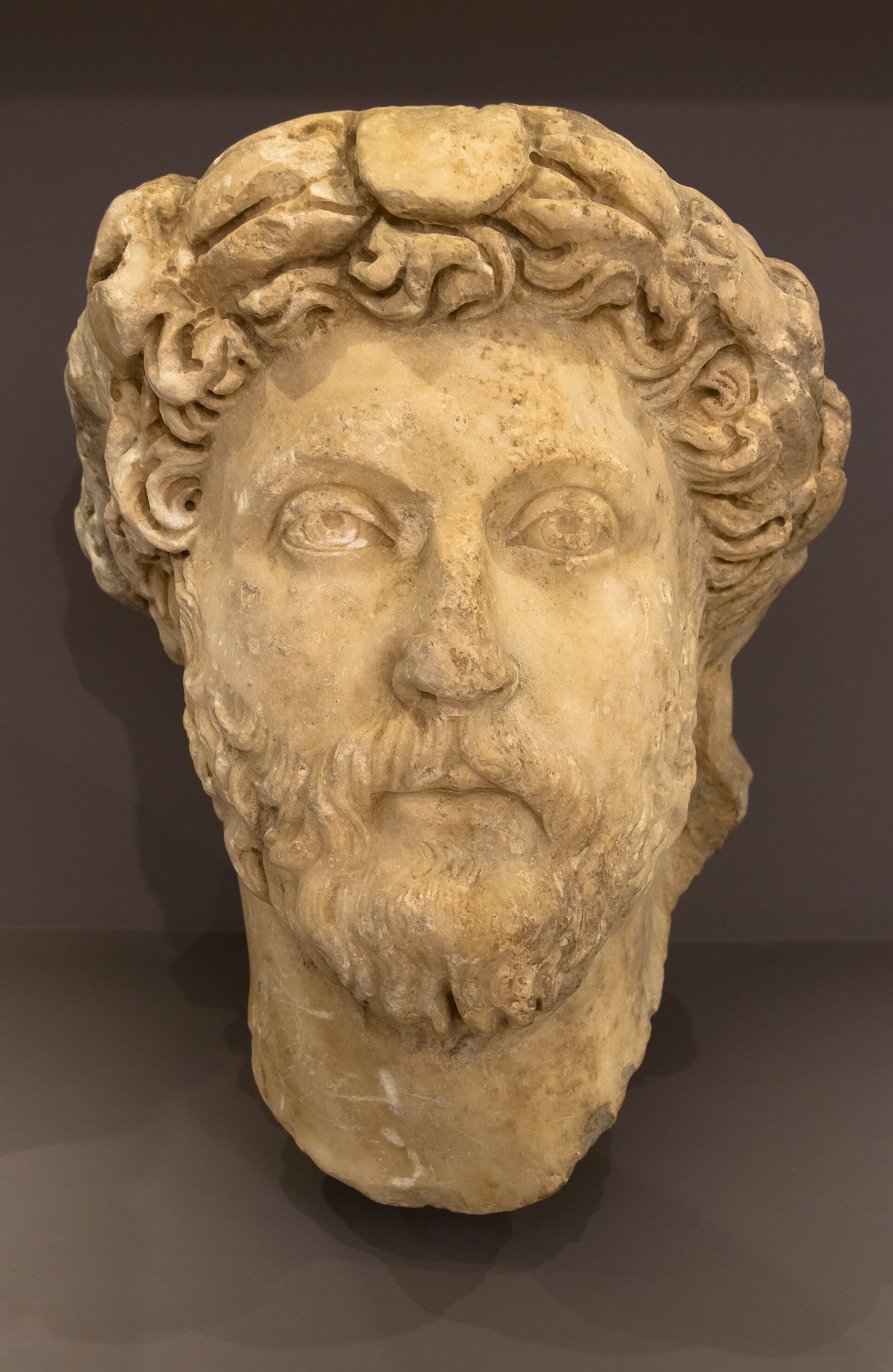 Marcus Aurelius