Who was Junius Rusticus?
Quintus Junius Rusticus occupied an unusual double position: a serious Stoic philosopher and a senior Roman statesman. He served twice as consul and later as urban prefect of Rome — a man equally at home in the lecture room and at the top of the imperial administration. That combination mattered, because it meant the philosophy he taught Marcus was never merely academic. It came from someone carrying real public weight.
What he gave Marcus
Marcus was not casually acquainted with Rusticus. By the account preserved in the Historia Augusta — a source to handle with care — Marcus received more instruction from him than from any other teacher, shared public and private counsels with him, and treated him with extraordinary respect. Of all Marcus's living teachers, Rusticus has the strongest claim to being the man who turned philosophical interest into disciplined Stoic practice.
In the Meditations, Marcus records that Rusticus made him realize that his:
“character required improvement and discipline.”
Marcus Aurelius, on Rusticus · Meditations I
He credits Rusticus with teaching him to reject intellectual vanity, empty rhetoric, ostentatious displays of virtue, careless reading, and stubbornness in personal quarrels. More than explaining doctrine, Rusticus taught Marcus a habit that runs through the entire Meditations: how to scrutinize his own character honestly, without flattery.
The single most important gift
Marcus explicitly credits Rusticus with giving him access to the teachings of Epictetus. The chain is remarkable: Epictetus → Rusticus → Marcus Aurelius → the Meditations. Without Rusticus handing over those Discourses, the most beloved book of Stoicism might read very differently — or not exist at all.
The complication
Honesty requires the other half of the record. As urban prefect, Rusticus presided over the trial that condemned the Christian philosopher Justin Martyr to execution. That does not erase what he gave Marcus, but it does complicate any attempt to picture him as a gentle, unblemished humanitarian sage. He was a Roman official enforcing Roman law, and the same authority that made him a serious statesman put him in a chair where he sent a fellow philosopher to death. The real Rusticus is more interesting than the sanitized one.
None of his own philosophical writings survive, which is its own kind of irony: the man who most shaped the author of the Meditations left no book of his own. We know him almost entirely through the gratitude of his most famous student.
Why he ranks first
Among the twenty figures in Marcus's circle, Rusticus is my pick for the single most important direct influence. Antoninus Pius taught Marcus how an emperor should behave; Rusticus taught him how a person should discipline himself — and pointed him toward Epictetus, the deeper current beneath everything else. Strip Rusticus out of the story and the emperor who reminded himself nightly to be humble, patient, and just is hard to explain.
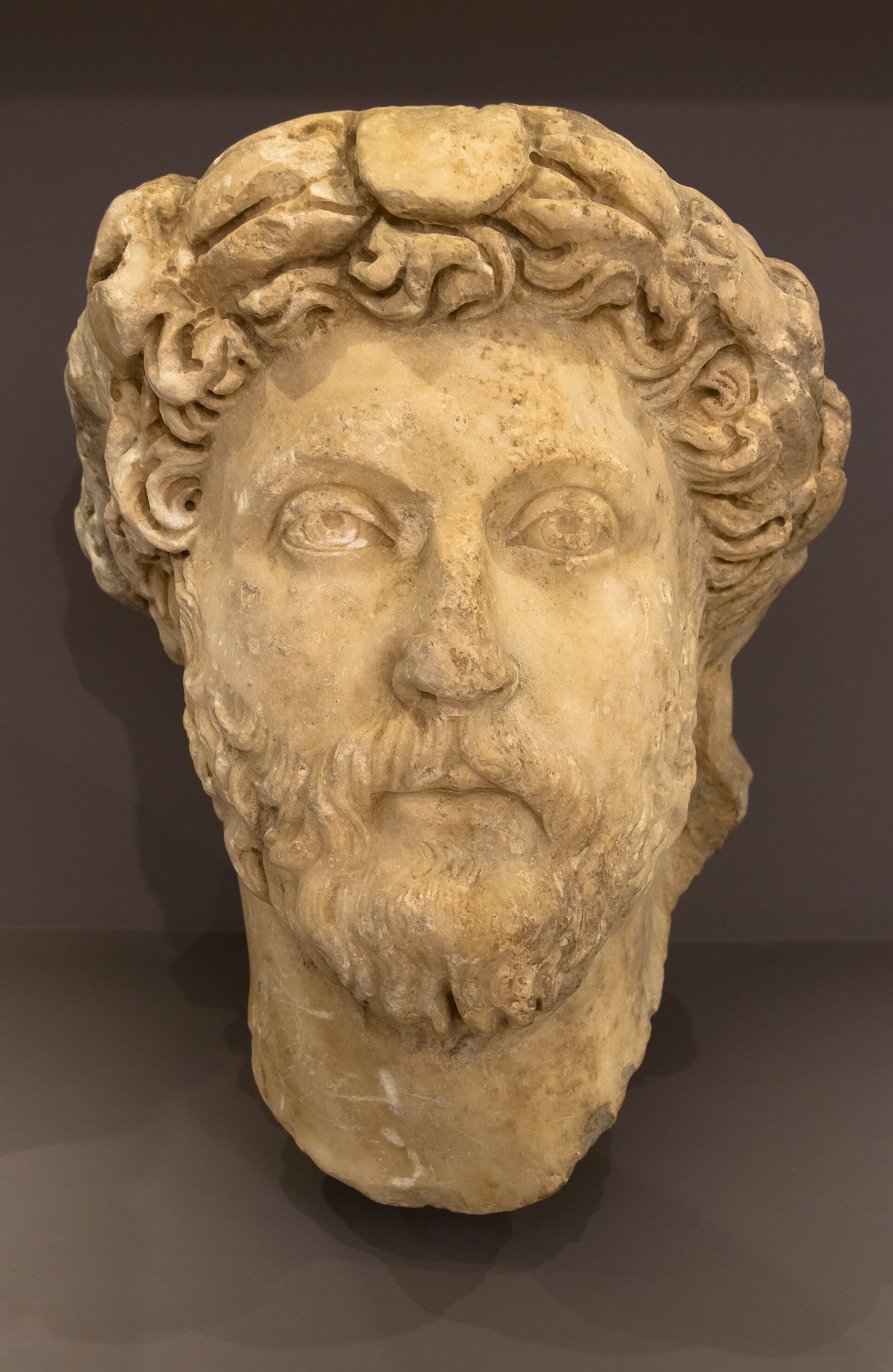 Marcus Aurelius