Christianity — a soul that God made and keeps
You are not an accident of matter but a creature made in the image of God, body and soul together. The soul carries your identity and your moral weight, and it does not simply blink out; it awaits the resurrection of the body and a life beyond death. Suffering, choice, and love all matter here precisely because a real self stands behind them, answerable and loved. Aquinas refined the view, borrowing Aristotle: the soul is the form of the living body, not a ghost trapped inside it.
Plato — the soul outlives the body
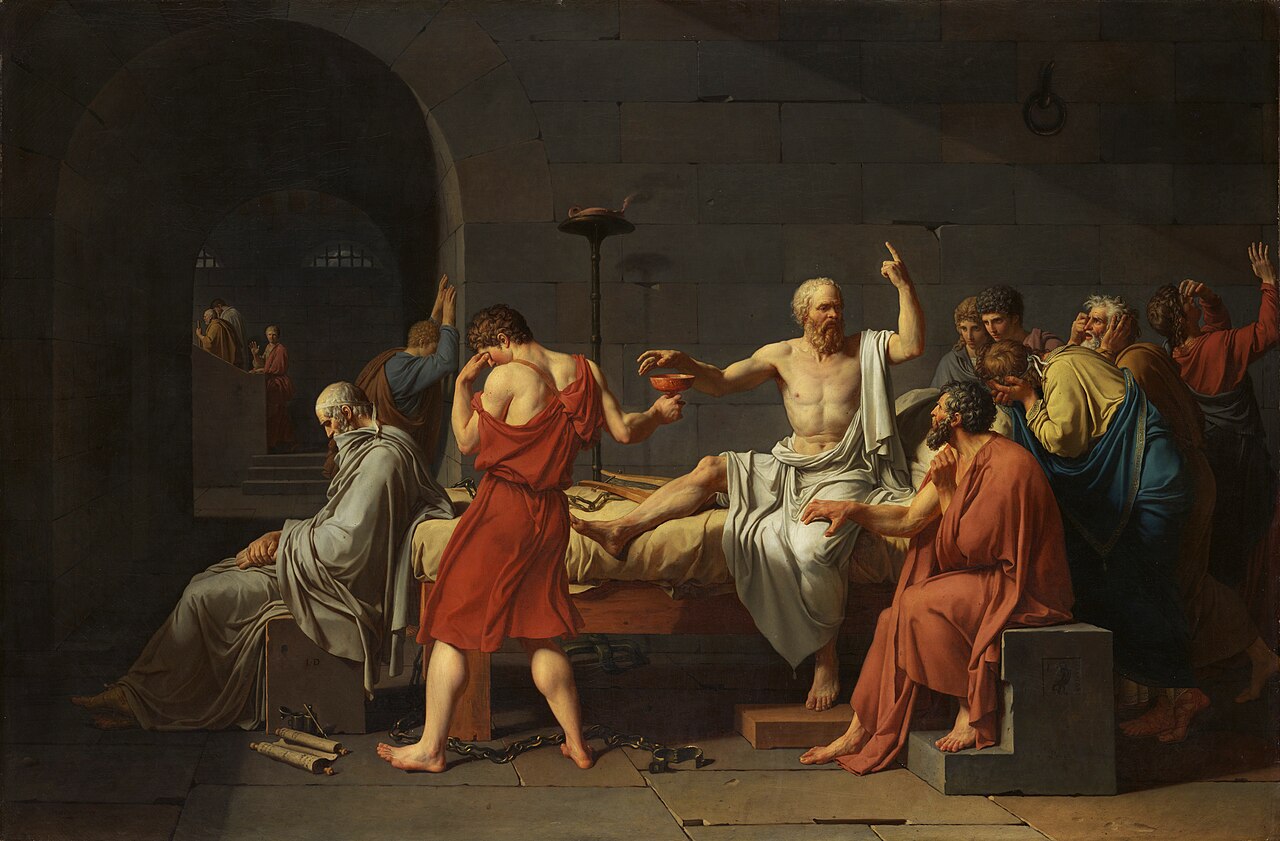
In the Phaedo, Plato has Socrates argue on the morning of his execution that death is nothing to fear, because the rational soul is immortal. It existed before the body, it grasps eternal truths no body could teach it, and it separates cleanly at death. The body, on this view, is closer to a prison than a home. Much of the Western idea of an undying soul runs straight back to this deathbed conversation.
Buddhism — look, and no one is home
Buddhism makes the boldest denial. Search for the self and you find only five changing bundles — body, sensation, perception, mental habits, awareness — and no owner behind them. This is anatta, no-self, and it separates the Buddha sharply from the Hindu belief in an eternal atman he grew up with. What continues after death is not a soul but a chain of cause and effect, like one candle lighting the next: the flame carries on, no single thing crosses over.
Taoism — a wave that returns to the sea
Taoism rarely argues the point; it pictures it. You are a brief gathering of the same energy that moves through everything, a wave lifted for a moment out of the Tao and destined to settle back into it. Laozi treats death not as the loss of a self but as its return home. Some later Taoists chased physical or spiritual immortality through cultivation, but the older instinct is simpler: stop clutching the wave, and its falling stops being a tragedy.
The modern challenge — mind is what the brain does
Then neuroscience raised the hardest question of all. Damage a region of the brain and you can change memory, personality, even the sense of being a unified self. That intimate link makes many scientists treat the soul as unnecessary: the self is what the brain does, and it ends when the brain does. Descartes had tried to keep a separate thinking substance alive, but the burden of explaining how consciousness arises from matter — the “hard problem” — is now where the real fight is.
 Michael Paycer