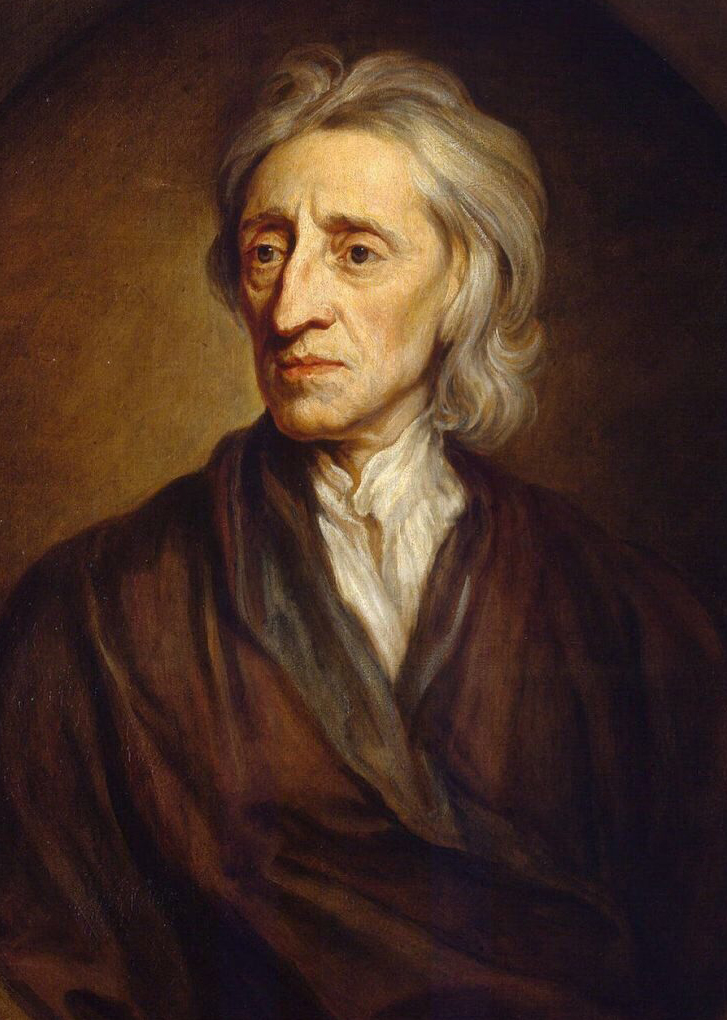
Liberalism is the ideology built around a single conviction: the individual comes first, and power must justify itself to that individual, not the other way around. Rights before rulers, law over whim, and a wide zone of life the state may not enter. It became the water most of the modern West swims in, which is exactly why it is easy to stop seeing.
Michael Paycer
Individual liberty and rights
Locke, Mill, Rawls
Formal freedom without equality
At its heart, liberalism makes one bet: that a society does best when it lets people define and pursue their own version of a good life, inside rules that stop them from harming each other. It grew out of the wars of religion and the fight against absolute monarchy, when Europeans learned the hard way what happens when one authority gets to dictate belief. The liberal answer was to build fences around the individual: rights that no king, church, or majority can cross.
John Locke laid the foundation. People have rights to life, liberty, and property before any government exists, and government is a limited trustee that holds power only by consent and forfeits it when it turns predator. Two centuries later John Stuart Mill drew the sharpest line of all with his harm principle: the only reason to coerce a person against their will is to prevent harm to others. Your own good is never enough.
The only purpose for which power can be rightfully exercised over any member of a civilised community, against his will, is to prevent harm to others.
John Stuart Mill, On Liberty
The word covers a family that argues among itself. Classical liberals, following Locke and Adam Smith, read liberty as freedom from interference and want the state kept small so markets and individuals can run. Social or modern liberals, following thinkers like T.H. Green and later John Rawls, answer that a starving man is not really free, so genuine liberty needs a floor: education, healthcare, a safety net. Isaiah Berlin named the two sides of the quarrel as negative liberty (freedom from) and positive liberty (freedom to). Both are liberal; they just draw the line between liberty and equality in different places.
The socialist critique is that liberal freedom is often freedom on paper. The right to own a newspaper means little if you cannot afford ink; equality before the law does little against vast inequality of wealth. On this view, liberalism protects the powerful by declaring everyone already free, then leaving the actual distribution of power untouched.
The conservative and communitarian critique runs the other way. By making the free-choosing individual the center of everything, liberalism can dissolve the things people actually live by: family, faith, tradition, belonging. Thinkers like Michael Sandel argue that it imagines an "unencumbered self" that does not exist, and that a society of pure individual choice is a thinner, lonelier thing than it pretends.
Liberalism's strength and its weakness are the same move: it refuses to tell you how to live. That is why it can house a whole plural society, and why its critics say it leaves people standing alone in the square it cleared for them.
The political philosophy that treats individual liberty as the highest political value. It holds that people have rights governments must not violate, that state power should be limited and accountable, and that everyone stands equal before the law. Its instinct is to protect the individual from domination.
Classical liberalism stresses limited government, free markets, and freedom from interference. Modern or social liberalism argues real freedom also needs resources and opportunity, so it accepts a larger state providing education, healthcare, and a safety net.
Stated by Mill in On Liberty: the only justification for using power over someone against their will is to prevent harm to others. Your own good is not a sufficient reason. It is the core liberal rule for where freedom ends.
From the left, that formal freedoms mean little without economic equality. From conservatives and communitarians, that it treats people as isolated individuals and erodes the traditions and communities that give life meaning.
When I’m not tracing liberty back to Locke and Mill, I tune databases, design high-availability systems, and run cloud migrations.