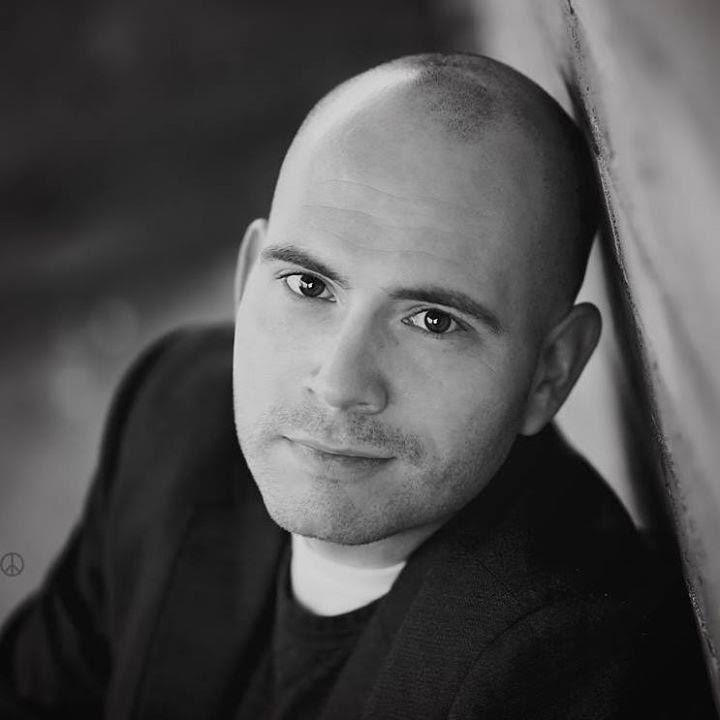
Boris Spassky
The universal champion. World Champion from 1969 to 1972, Boris Spassky had no stylistic home and needed none — he could attack like a 19th-century romantic or squeeze an endgame like a machine, choosing whichever the position demanded. He is also the man who kept the King's Gambit alive at the highest level of chess, and the gracious figure on the losing side of the most famous match ever played.
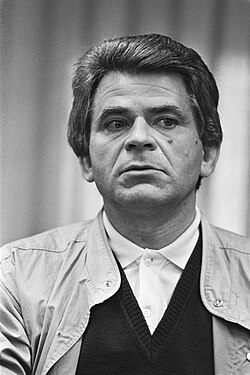
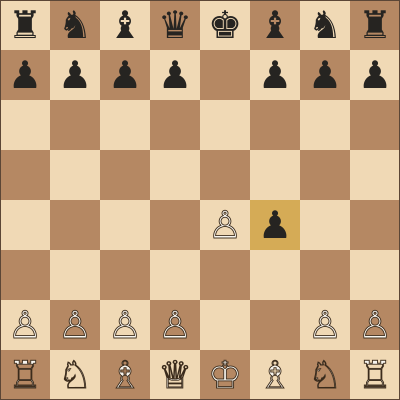
The King's Gambit Accepted (1.e4 e5 2.f4 exf4) — the opening Spassky carried to the world-championship level. His 1960 win over Bronstein with the King's Gambit is one of the most celebrated attacking games in chess history.
Lived
1937–2025 · born Leningrad, USSR (later a French and Russian citizen)
World Champion
1969–1972 — defeated Petrosian; lost the title to Fischer
Signature Game
Spassky–Bronstein, Leningrad 1960 — the immortal King's Gambit
Style
Universal — equally strong attacking, positional, and in the endgame
A champion without a weakness
Spassky's defining quality was breadth. Many champions are remembered for one thing — Tal for attack, Petrosian for defense, Capablanca for the endgame. Spassky was remembered for having no gap at all. He could meet a sharp tactician in a brawl and a quiet positional player in a long maneuvering game, and he was at home in both. That adaptability is why his contemporaries called his chess "universal," and it carried him to the title in 1969 with a win over the famously impregnable Tigran Petrosian.
He came up through the powerful Soviet system but always retained an independent, somewhat unhurried temperament. It made him a beloved figure — and, in 1972, a remarkably sporting loser at the moment the whole world was watching.
Spassky–Bronstein, Leningrad 1960
The most celebrated King's Gambit game of the 20th century. Against David Bronstein — a former world-championship challenger and one of the most imaginative players alive — Spassky played the old romantic gambit and won with a direct, ferocious attack down the f-file. The game is so famous it was even staged in the James Bond film From Russia with Love.
6. d4 O-O 7. Bd3 Nd7 8. O-O h6 9. Ne4 Nxd5 10. c4 Ne3
11. Bxe3 fxe3 12. c5 Be7 13. Bc2 Re8 14. Qd3 e2 15. Nd6!!
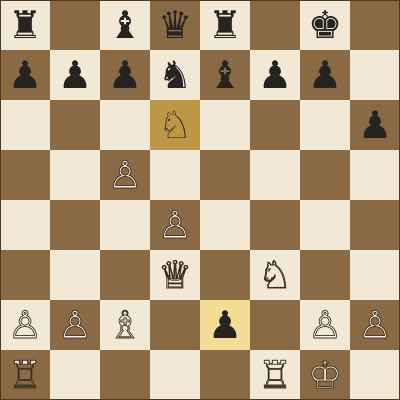
The actual position after 15.Nd6!! (d6 highlighted). Black's pawn has reached e2 (highlighted), one step from a new queen and attacking the f1-rook — yet Spassky ignores it entirely and plants the knight on d6, crashing through against the king. Bronstein, one of the most imaginative players alive, could not hold.
What makes the game a teaching classic is its purity: there is no clutter, no luck — just White's pieces flowing to the kingside faster than Black can defend. It is the single best argument that the King's Gambit, supposedly a relic, still had championship-level venom in the modern era. For the full theory, see the King's Gambit series.
Spassky vs Fischer, Reykjavik 1972
As reigning champion, Spassky faced Bobby Fischer in 1972 in the most famous chess match ever played — a Cold War spectacle that put chess on front pages worldwide. Spassky won the first game and took a 2–0 lead when Fischer forfeited game two, but Fischer recovered and won the match 12.5–8.5. Spassky lost the crown.
After Fischer played a magnificent game six — a model Queen's Gambit — Spassky joined the audience in applauding his opponent's brilliance. The gesture became one of the enduring images of sportsmanship in chess. The two men remained on respectful terms and met again for a well-publicized rematch in 1992.
Spassky played on for years at the elite level and later settled in France. He is remembered not only as a world champion but as a bridge between eras — the last great romantic at the very top, and a sportsman whose conduct outshone even the result of the most-watched match in the game's history.
Where his games live in this library
The King's Gambit, kept alive
Spassky is the single most important reason the King's Gambit survived as a serious weapon into the modern era. The advanced guide covers his approach: deep preparation married to a romantic's appetite for attack.
Universal opening range
Beyond the gambit, Spassky handled the classical main lines with equal authority — the Ruy Lopez and the Queen's Gambit among them. His repertoire matched his style: everything, played well.
Boris Spassky — FAQ
Why was Boris Spassky called a universal player?
He had no stylistic weakness. He could attack with the fury of a romantic — keeping the King's Gambit alive at the championship level — and grind out positional and endgame wins with equal skill. Unlike rivals who specialized, he adapted to the position and the opponent, which is why contemporaries called his chess "universal."
What is the most famous Spassky game?
Spassky–Bronstein, Leningrad 1960 — a King's Gambit in which his attack down the f-file overwhelmed one of the world's best players. It is regularly named one of the finest King's Gambit games ever played and was even referenced in a James Bond film.
What happened between Spassky and Fischer?
Spassky lost the title to Bobby Fischer in the 1972 "Match of the Century" in Reykjavik. He is also remembered for his sportsmanship — after Fischer's brilliant game six, Spassky applauded his opponent along with the audience. The two remained on respectful terms and played a celebrated rematch in 1992.
Spassky–Bronstein 1960, after 15.Nd6!! — the immortal moment, ignoring a near-queening pawn to attack the king.
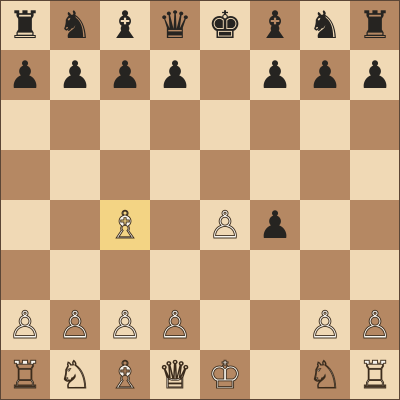
The Bishop's Gambit (3.Bc4) — a Spassky favorite, training the bishop on f7 for a direct attack.
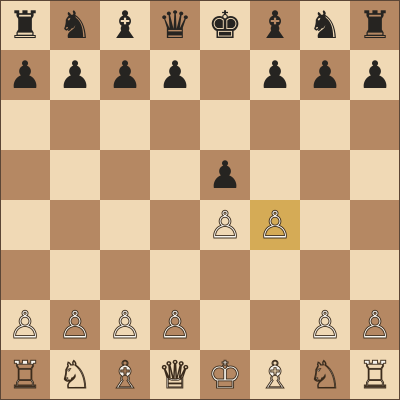
1.e4 e5 2.f4 — the romantic gambit Spassky almost single-handedly kept alive at the top.
- Kasparov, G. My Great Predecessors, Vol. IV–V (Spassky, Fischer).
- Spassky–Bronstein, Leningrad 1960 (King's Gambit, game record).
- Gallagher, J. Winning with the King's Gambit. Batsford.
- Reykjavik 1972 World Championship match records.
Boris Spassky — Part 1 of 2
His reign ended in the most famous match ever played. Part 2 tells the story of Reykjavik 1972 from Spassky's side — the pressure, the sportsmanship that defined him, and the life that followed.