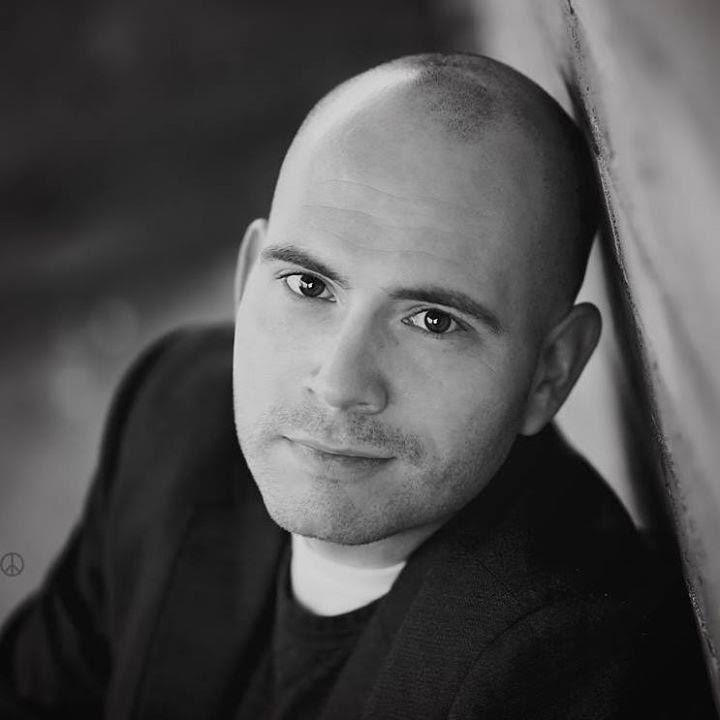
Reykjavik 1972, from Spassky's Side
The 1972 match is usually told as Bobby Fischer's triumph. But there was a man on the other side of the board — the reigning champion, carrying the weight of the entire Soviet chess establishment, who lost the title and yet emerged, in the eyes of many, as the match's most admirable figure. This is the story of the most famous match in chess as Boris Spassky lived it.
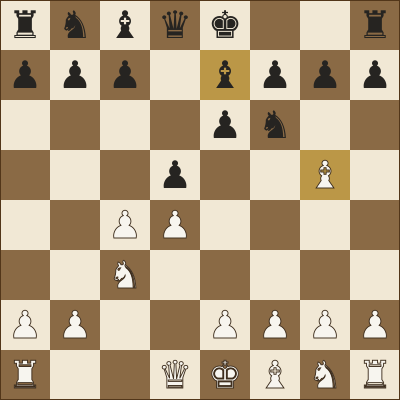
The Queen's Gambit Declined — the opening of game six, which Fischer won so beautifully that Spassky, the losing champion, stood and applauded along with the crowd. The moment came to define Spassky more than any result on the scoreboard.
The champion under pressure
For Spassky, the match was not a sporting adventure but a duty loaded with politics. The Soviet Union treated the world title as proof of the system's superiority, and the prospect of losing it to a lone, unpredictable American carried enormous official weight. Spassky had to navigate Fischer's endless demands about cameras, money, and conditions — distractions designed, intentionally or not, to unsettle the champion — while every move was scrutinized back home.
He handled it with a composure that, in hindsight, looks remarkable. When Fischer threatened not to show up at all, it was partly Spassky's willingness to be flexible — agreeing to play game three in a back room, away from the cameras — that saved the match. A less generous champion could simply have claimed the title by forfeit.
2–0 up, then swept aside
It began perfectly for Spassky. He won game one when Fischer grabbed a losing pawn, and went 2–0 ahead when Fischer forfeited game two over the camera dispute. But the lead was hollow — Fischer had barely been tested. Once the American settled, in that quieter back room, the tide turned hard. Fischer won game three, his first ever victory over Spassky, and seized control of the match.
The defining moment came in game six. Fischer, almost never a 1.c4 player, opened with the English into a Queen's Gambit and produced a flawless positional masterpiece. When it ended, Spassky — the man who had just lost the game and was losing his title — rose to his feet and applauded his opponent along with the audience. It is one of the most cherished gestures of sportsmanship in the history of the game, and it tells you everything about the man.
Fischer won the match 12.5–8.5. Spassky lost the crown that had been Soviet property for a quarter-century.
The gracious life that followed
At home, the loss brought criticism and a measure of official disfavour. Spassky kept competing at a high level, but his relationship with the Soviet authorities cooled, and in 1976 he emigrated to France, later taking French citizenship. In 1992 he met Fischer again for a well-publicized unofficial rematch in Yugoslavia — a reunion of the two men whose 1972 duel had defined an era.
Spassky remained a beloved elder statesman of the game for decades, admired as much for his character as for his chess, until his death in 2025. His own greatest games — like the immortal King's Gambit against Bronstein covered in Part 1 — show a champion of the first rank. But it is the image of him applauding the player who dethroned him that the chess world holds dearest.
Read the match from Fischer's view
This page tells Reykjavik 1972 as Spassky experienced it. For the challenger's story — the record-breaking Candidates run, the brinkmanship, and the comeback — see the companion account in the Fischer series.
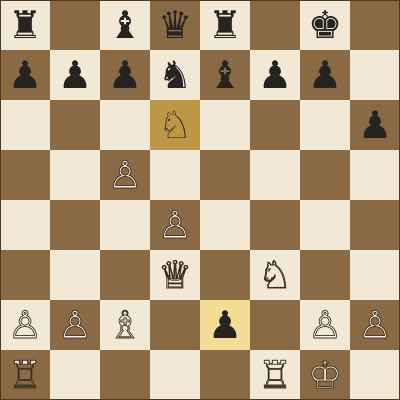
A reminder of Spassky in full flow: his 1960 King's Gambit against Bronstein (15.Nd6!!). The champion Fischer beat in 1972 was, at his best, one of the great attacking players of the century — which only deepens the grace of his conduct in defeat.
Spassky & 1972 — FAQ
Did Spassky really applaud Fischer during the 1972 match?
Yes. After Fischer won game six with a beautifully played Queen's Gambit, Spassky — losing the game and his title — rose and applauded with the audience. It became one of the most famous images of sportsmanship in chess history.
How did Spassky take a 2–0 lead in 1972?
He won game one when Fischer grabbed a poisoned pawn in a drawn endgame, then went 2–0 up when Fischer forfeited game two over the cameras — before Fischer recovered and won the match.
What happened to Spassky after losing the title?
He faced criticism in the USSR but kept competing at a high level, emigrated to France in 1976, and played a celebrated 1992 rematch with Fischer. He remained a respected elder statesman until his death in 2025.
The Queen's Gambit Declined — game six, the masterpiece Spassky rose to applaud.
Spassky at his attacking best — the immortal 1960 King's Gambit (Part 1).
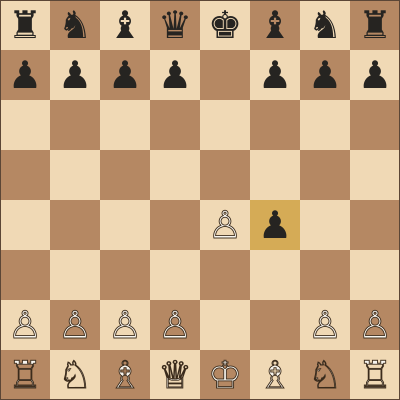
The King's Gambit — the romantic opening Spassky kept alive at the world-championship level.
- World Chess Championship 1972 (Spassky–Fischer), full match record.
- Edmonds & Eidinow, Bobby Fischer Goes to War.
- Spassky–Fischer 1992 rematch records.
- Obituaries and career retrospectives of Boris Spassky (1937–2025).
Boris Spassky — Part 2 of 2
That completes the Spassky guide — the universal champion and his immortal King's Gambit, and the 1972 match that ended his reign and sealed his reputation as the game's great sportsman.