Who is Silvanus?
Silvanus was the Roman god of forests, uncultivated land, fields, boundaries, and rural property. His name comes from silva, “woodland,” and his sphere was exactly that: the woods and wild margins beyond the tamed farm. He protected trees, estates, the lines that divided one property from the next, and the people who labored on the land.
What makes Silvanus distinctive is not a rich body of myth but the sheer weight of his cult. Numerous inscriptions attest his popularity, especially among non-elite worshippers — a god of the working countryside rather than of the poets.
Origins & history
Silvanus stands at the border between cultivated and wild space — the threshold where the plowed field gives way to the forest. That liminal position is the heart of his character. Unlike the purely literary woodland creatures of poetry, Silvanus had real cult and real dedications: altars, statuettes, and inscribed offerings set up across the Roman world.
His worship grew especially among farmers, freedmen, soldiers, and estate workers, spreading widely with Roman rural and provincial life. Because he is known far more from archaeology than from grand narrative, our picture of him is built from stones and offerings rather than from a single canonical story.
Cult & worship
Silvanus was honored above all through dedications: an inscribed altar at the edge of an estate, a small offering for the safety of the woods and boundaries, a shrine kept by those who worked the land. His cult belonged to lived, local religion rather than to the great state festivals of Rome. Ancient tradition also reports that women were excluded from some of his rites — a detail that should not be universalized without context, since the evidence is uneven and local. Under his protection fell the concerns of ordinary rural life: the safety of flocks and fields, the integrity of property lines, and the uncertain margin where human labor met the wild.
Greek equivalent
Silvanus has no exact Greek counterpart. He is compared, loosely, with Pan and Silenus — Greek powers of the woods and the wild — and he overlaps iconographically with the Roman Faunus as well. But the comparison is a family resemblance, not an equation. Silvanus is not simply a Latin Pan: his cult of boundaries, estates, and rural property is his own, and its center of gravity is the dedication and the shrine, not the myth.
Famous myths & stories
The god of the boundary
Silvanus presided over the line between one property and the next, and between the farm and the forest beyond it. To honor him was to acknowledge that cultivated order always borders on something wild — and that the margin itself needed a guardian.
Guardian of the estate
Across the Roman countryside, working people set up altars and offerings to Silvanus for the safety of woods, fields, and flocks. His “story” is written less in narrative than in these countless acts of devotion — the religion of people who lived close to the land.
The woodland double
In art and imagination Silvanus blurs into Faunus and Greek Pan: a shaggy, rustic power of the wild. Ancient sources treat them as overlapping but not the same, a reminder that Roman religion was full of related, locally shaded figures rather than a single tidy pantheon.
Legacy & influence
Silvanus survives in the language of the woods. The adjective “sylvan” — meaning of the forest — descends from his name, along with personal names like Silvanus and Silas. His image feeds the long tradition of woodland spirits in art and fantasy literature, wherever a story reaches for the guardian of the deep forest. Like Jupiter in the sky, Silvanus mapped a whole domain of Roman experience — but his was the humble, essential world of the tree line and the field's edge.
Symbolism
His symbols are those of the cultivated wild: the pruning knife for tending trees and vines, the cypress and pine as his sacred woodland trees, and the fruits and boughs of the countryside carried as offerings. Together they say what Roman religion meant by him — the meeting point of human labor and the untamed land, guarded and made safe.
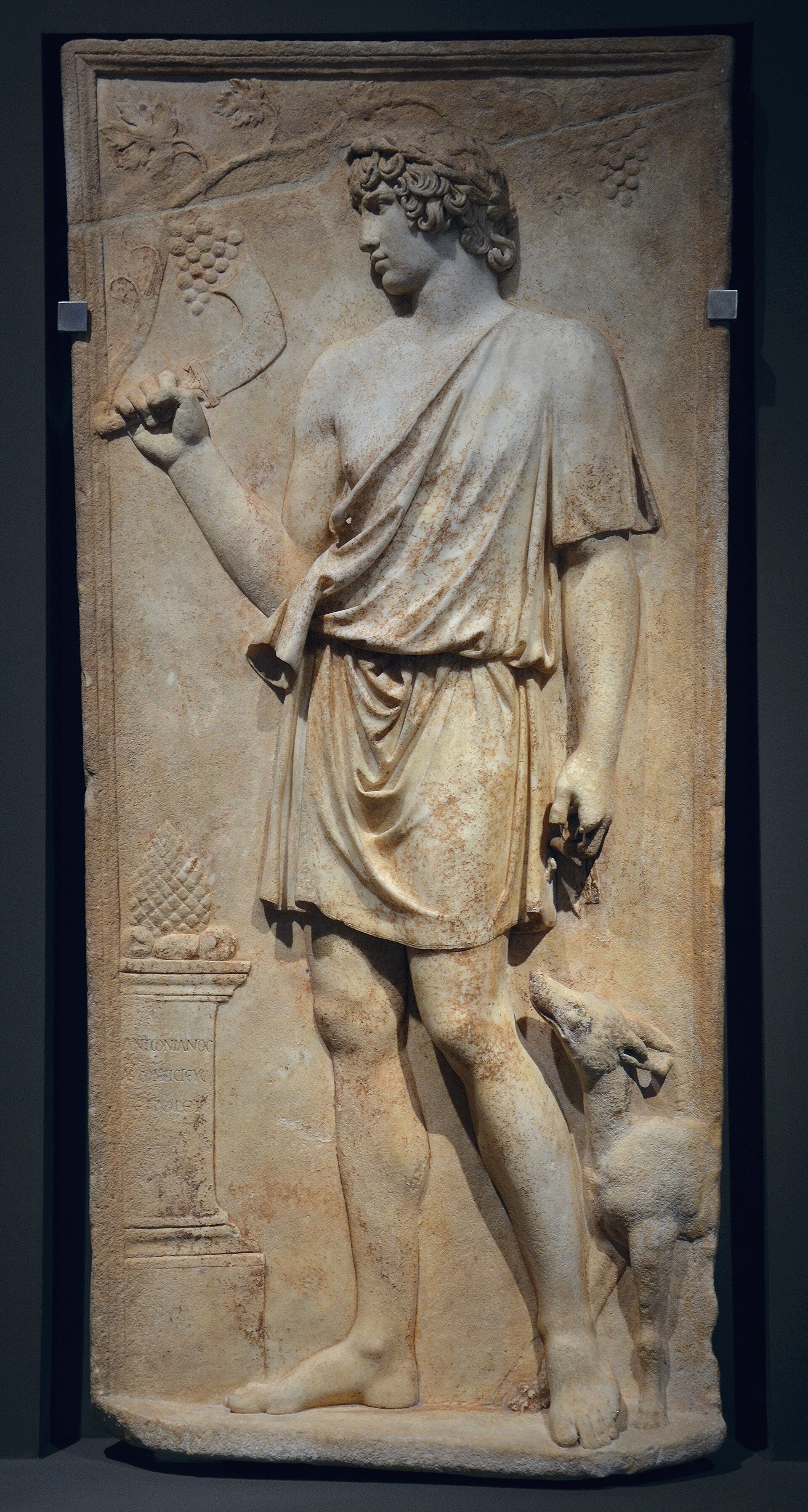
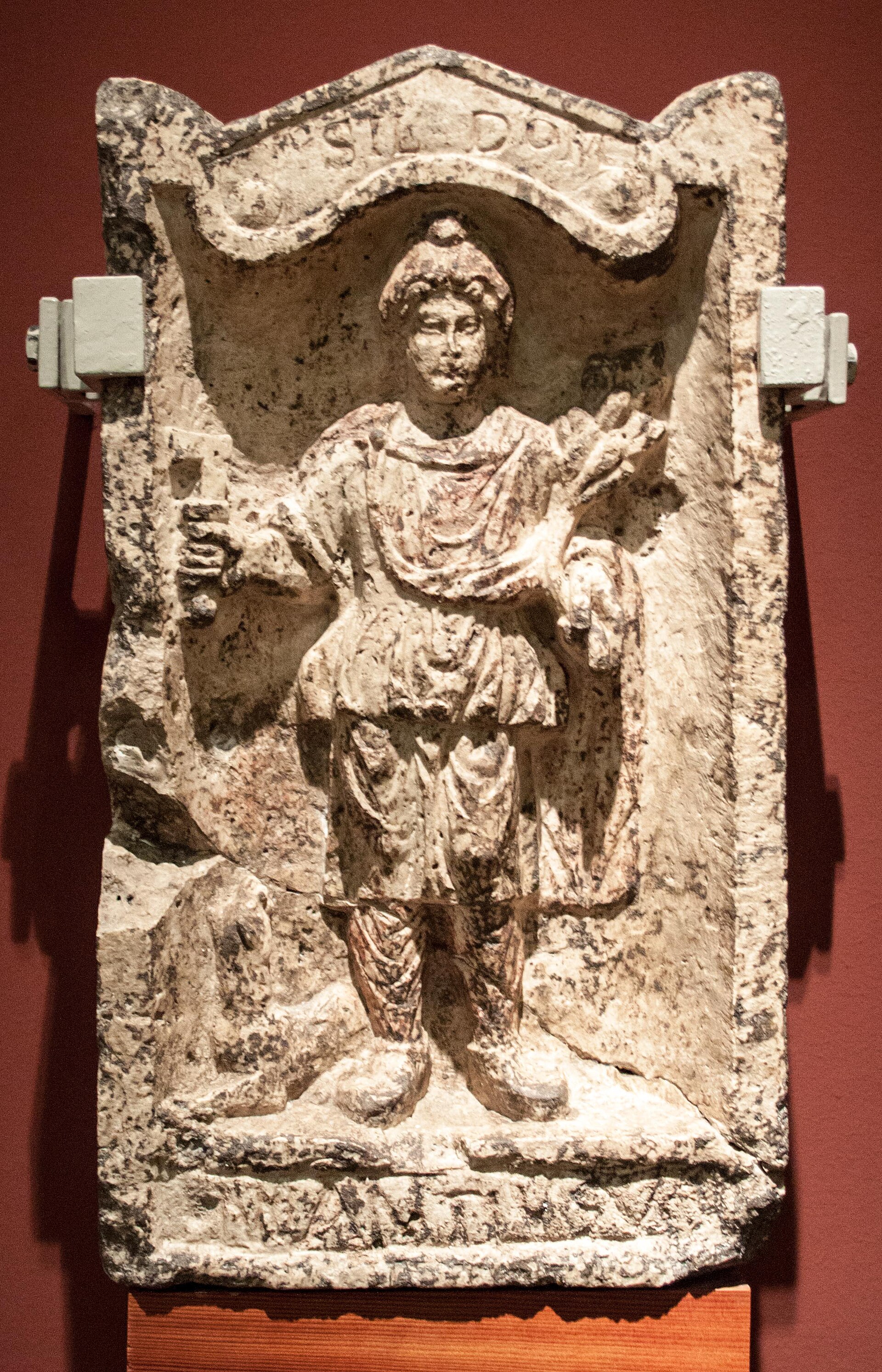
Famous public-domain depictions — click any image to view it full size.
No single direct speech by Silvanus survives; his cult speaks through inscriptions and dedications rather than through a canonical quotation, so this page omits a quotes section rather than fabricate one.
What was Silvanus the god of?
Forests, uncultivated land, fields, boundaries, and rural property. He stood at the border between wild and cultivated space, protecting woods, estates, and the people who worked them.
Is Silvanus the same as Faunus or Pan?
No. He overlaps iconographically with Faunus and with Greek Pan, and the three are often compared, but they are not simply identical. Silvanus had his own distinct cult, especially a large body of dedications and inscriptions.
Who worshipped Silvanus?
Numerous inscriptions attest his popularity, especially among non-elite worshippers — farmers, freedmen, soldiers, and estate workers. His cult is known far more from dedications and archaeology than from grand literary myth.
Does Silvanus have a Greek equivalent?
Only loosely. He is compared with Greek Pan and Silenus as woodland powers, but there is no exact one-to-one match. His Roman cult of boundaries and rural property is his own.
 Michael Paycer