Woods · Fields · Fertility · Prophecy
Faunus, Roman God of the Wild and Prophecy
An old Italic god of the woods and flocks, a prophetic voice at the edge of the cultivated world — and, only later, a Roman cousin to the Greek Pan.
 Michael Paycer
An old Italic god of the woods and flocks, a prophetic voice at the edge of the cultivated world — and, only later, a Roman cousin to the Greek Pan.
Michael PaycerRole
Woods, fields, fertility, prophecy
Symbols
Wilderness, flocks, the goat-form; rustic Fauni
Cult
Pastoral rites; linked to the Lupercalia
Greek equivalent
Faunus was an Italic god of woods, fields, pastoral life, fertility, and prophecy. His name is bound up with the plural Fauni, rustic spirits of the wild, and he belongs to the porous boundary between god, local spirit, prophetic voice, and the wilderness itself. He is one of the oldest layers of Italian religion — a power felt in the countryside before it was tidied into a single named deity.
Roman literature turns him into both a proper god and an ancestral type of woodland being. He protects the fields and flocks, speaks prophecies from the shadows of the woods, and governs the fertile, untamed spaces that lie just beyond the farm.
Faunus is genuinely Italic — not a Latin mask over a Greek god, but a native power of the Italian countryside. Only later was he associated with the Greek Pan, the goat-legged god of shepherds and wild places, and given something of Pan's form and mischief. That layering is typical of how Roman religion grew: an old local numen acquires the features of a famous Greek counterpart while keeping its own roots.
His prophetic side kept him close to the uncanny. Faunus was thought to speak through voices heard in the woods and through dreams sought at his shrines — a god consulted at the edge of the known, where the cultivated world gives way to the wild.
Faunus was honored with pastoral rites that fit his rustic, fertile character, and Ovid's Fasti connects him with the Lupercalia — one of Rome's oldest and strangest festivals, tied to fertility and the wild pastoral roots of the city. His worship reached into the countryside more than the grand civic temples of the great state gods, matching a deity whose home was the woodland and the flock rather than the Capitol. To seek Faunus was to look to the fields, the herds, and the fertility on which rural life depended.
Faunus came to be identified with the Greek Pan, and the two share the world of shepherds, wild country, and unruly fertility. But the identification is secondary. Faunus is an Italic god first, later linked to Pan rather than descended from him — which is why his prophetic role and his connection to the Fauni feel distinctly Roman even when his image borrows Pan's horns and goat legs. Reading the two together shows Rome absorbing a Greek figure without quite erasing its own.
Ovid's Fasti ties Faunus to the Lupercalia, the wild fertility festival in which runners struck bystanders with strips of hide. The connection roots Faunus in the oldest, most primal layer of Roman ritual — the pastoral, fertile, half-wild religion of early Italy.
Faunus was a giver of prophecy, answering through voices in the woods and through incubation — dreams sought by those who slept at his sacred places. He is a god you go out to the wild to hear, not one who speaks from a marble temple.
Ovid also makes Faunus comic and sexually frustrated, staging him in embarrassing, bawdy episodes. These tales are literary burlesque rather than evidence for real ritual — a reminder that a poet's playful Faunus is not the same thing as the god the countryside actually worshipped.
Faunus's greatest afterlife is the faun: the horned, goat-legged woodland being that became a major archetype in art, poetry, and later fantasy. Drawn partly from Faunus and partly from the related rustic spirits, the faun stands for everything wild, playful, and half-human about nature. From Renaissance painting to modern storytelling, whenever a horned dweller of the deep woods appears, some of Faunus is in him.
His signs are the wild itself. The woodland and flocks mark his sphere at the edge of the cultivated world; the goat-form he took on from Pan is untamed fertility and appetite; and the rustic Fauni that share his name show how he blurs into a whole population of woodland spirits. Together they say what Rome sensed in him: the sacred, unpredictable life of nature just beyond the fence line.
Famous public-domain depictions — click any image to view it full size.
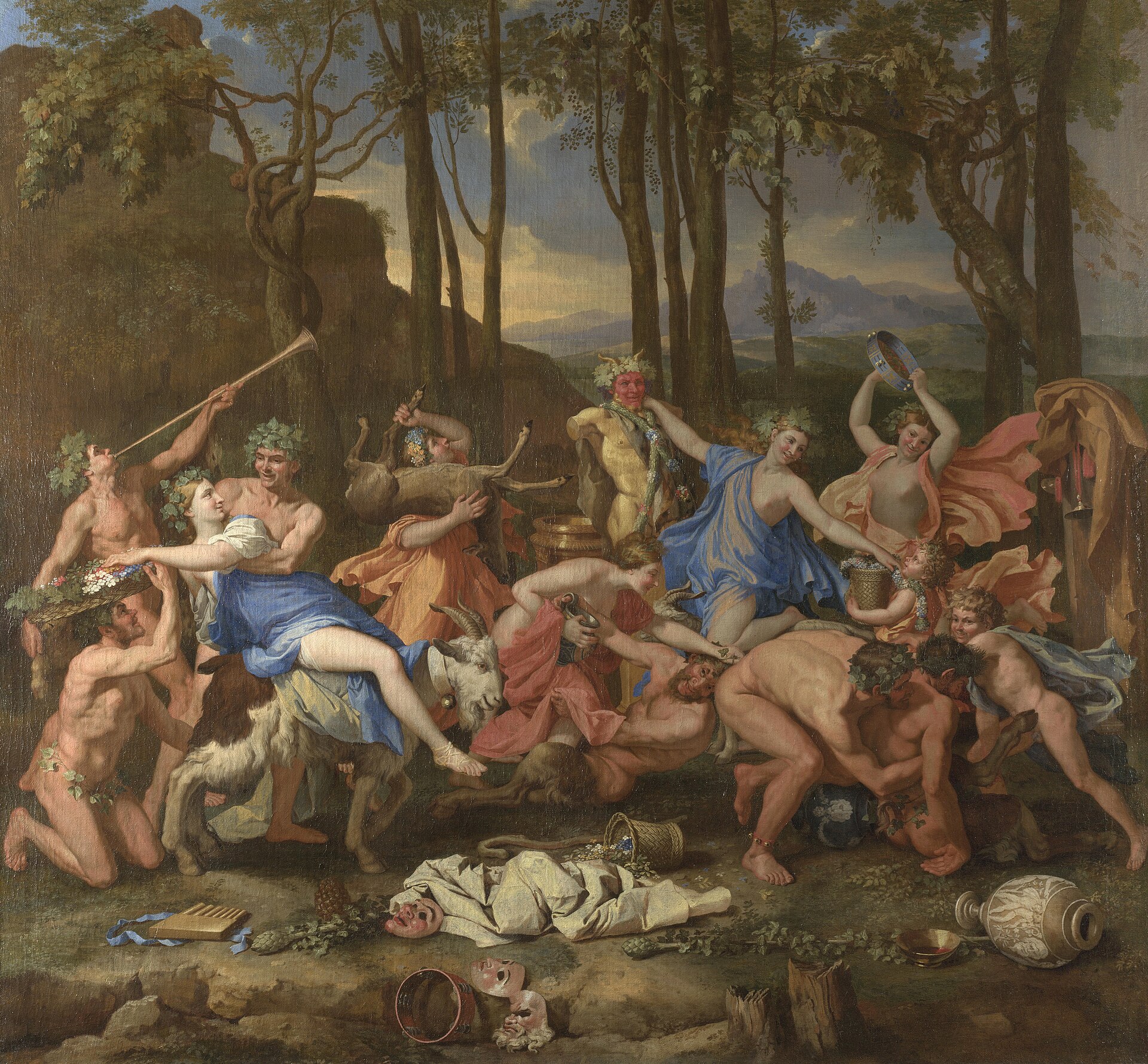
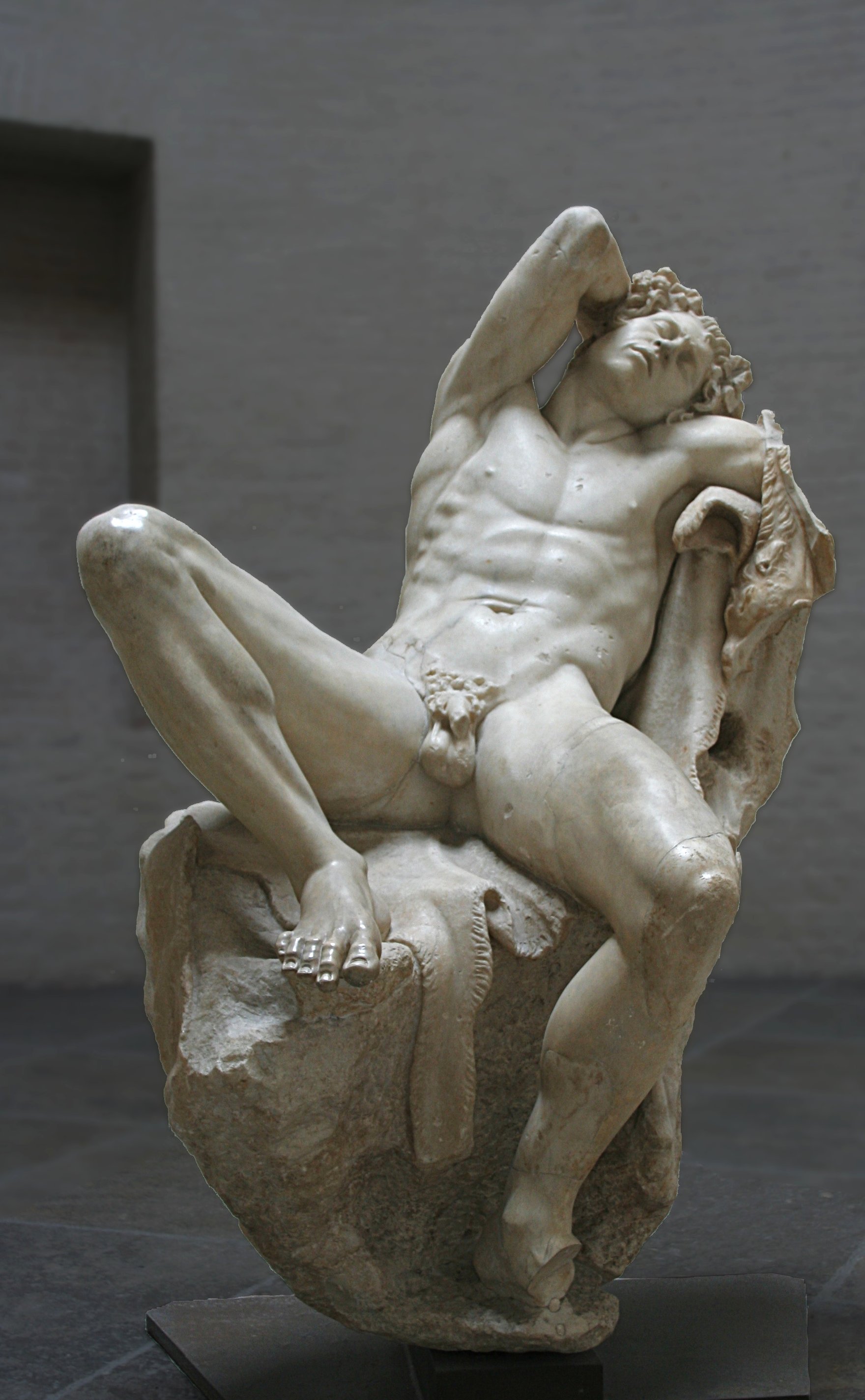
[Paraphrase] Ovid's Fasti recounts Faunus in connection with the Lupercalia and preserves comic, erotic, and ritual traditions about him. (Summary of the source; no single line is quoted verbatim here.)
Ovid, Fasti (paraphrase)
Faunus shows the oldest, wildest layer of Roman religion: a power that is at once a god, a class of woodland spirits, and a prophetic voice — later dressed in the borrowed form of Greek Pan without ever fully losing its native Italian character.
Old Italic god of woods, fields, fertility, and prophecy — tied to the Fauni and the Lupercalia, only later linked to Pan.
Greek goat-legged god of shepherds and the wild — the figure whose form and character were grafted onto the native Faunus.
An Italic god of woods, fields, pastoral life, fertility, and prophecy. He protected fields and flocks, gave prophetic voices in the wild, and presided over rustic sacred space at the edge of the cultivated world.
Not originally. Faunus was a genuinely Italic god who was only later associated with the Greek Pan, the goat-legged god of shepherds and the wild. The two came to share imagery, but Faunus began as a distinct Italian deity with his own cult and prophetic character.
Ovid's Fasti connects Faunus with the Lupercalia, one of Rome's oldest and strangest festivals, and preserves comic, erotic, and ritual traditions about him. The link ties Faunus to fertility rites and to the wild, pastoral roots of early Roman religion.
The Fauni were rustic woodland spirits whose plural name is connected with Faunus himself. They belong to the porous boundary between god, local spirit, and prophetic voice — one reason Faunus blurs the line between a single deity and a whole class of wilderness beings.
When I am not reading Virgil or Cicero, I tune databases, design high-availability systems, and run cloud migrations.