The Olympians · Harvest · Grief
Demeter, Goddess of the Harvest
Goddess of grain and fertility — and of a mother's grief, whose sorrow turns the living earth to winter.
 Michael Paycer
Goddess of grain and fertility — and of a mother's grief, whose sorrow turns the living earth to winter.
Michael PaycerRole
Agriculture, harvest, fertility, motherhood
Symbols
Wheat, torch, cornucopia
Domain
The harvest; the Eleusinian Mysteries
Family
Daughter of Cronus & Rhea; mother of Persephone
Demeter is goddess of the harvest, grain, and fertility — and of a mother's grief. The fruitfulness of the earth depends on her, and so does the rhythm of the seasons.
Her central story, the loss and partial return of her daughter Persephone, made her one of the most beloved and consoling figures in Greek religion.
Demeter's worship at Eleusis, near Athens, produced the Eleusinian Mysteries — secret initiation rites among the holiest in the Greek world, performed for nearly two thousand years. Initiates underwent a sacred drama of loss and return and emerged with a changed hope about death.
The Romans worshipped her as Ceres, from whose name we get the word “cereal.” Her gift of agriculture was credited with founding settled, law-governed life itself.
When Hades seized Persephone, Demeter wandered the earth in grief, and the harvest failed. The compromise — Persephone returns for part of each year and descends for the rest — became the Greek explanation for the seasons: spring is reunion, winter a parting.
In her wandering grief, disguised as an old woman, Demeter was taken in at Eleusis and tried to make a mortal child immortal in gratitude. Interrupted, she revealed her divinity and established her mysteries there.
Persephone could not fully return because she had eaten pomegranate seeds in the underworld — a few mouthfuls binding her forever to Hades' realm, and to the cycle of the year.
In gratitude to the people of Eleusis, Demeter taught the young prince Triptolemus the art of agriculture and sent him across the world in a winged chariot to spread it. She is the goddess who gave humankind settled, farming life itself.
When Erysichthon cut down trees in Demeter's sacred grove, she cursed him with insatiable hunger until he devoured everything he had and, at last, himself — a stark warning against violating what feeds us.
As Ceres, Demeter gave us the word cereal, and her Eleusinian Mysteries — the most revered secret rites of the ancient world — shaped how Greeks and Romans hoped about the soul after death. Her cycle of loss and return is the original myth of the seasons.
Her story endures as the West's deepest meditation on grief and renewal: the truth that winter is real, that loss is real, but that spring returns. It is the consoling counterweight to Hades, and a permanent reminder that meaning can survive even what we cannot prevent.
Demeter's sheaf of wheat is the harvest and the gift of settled life; the torch is her long search through the dark for her lost daughter; the cornucopia is abundance restored. Her symbols trace a single arc from plenty to grief to renewal.
She embodies the cycle of loss and return — the seasons themselves, and with them the deepest human hope that life can come back after death. Her Eleusinian Mysteries turned this natural rhythm into a promise about the soul, making Demeter the West's enduring symbol of grief transformed into renewal.
Famous public-domain depictions — click any image to view it full size.
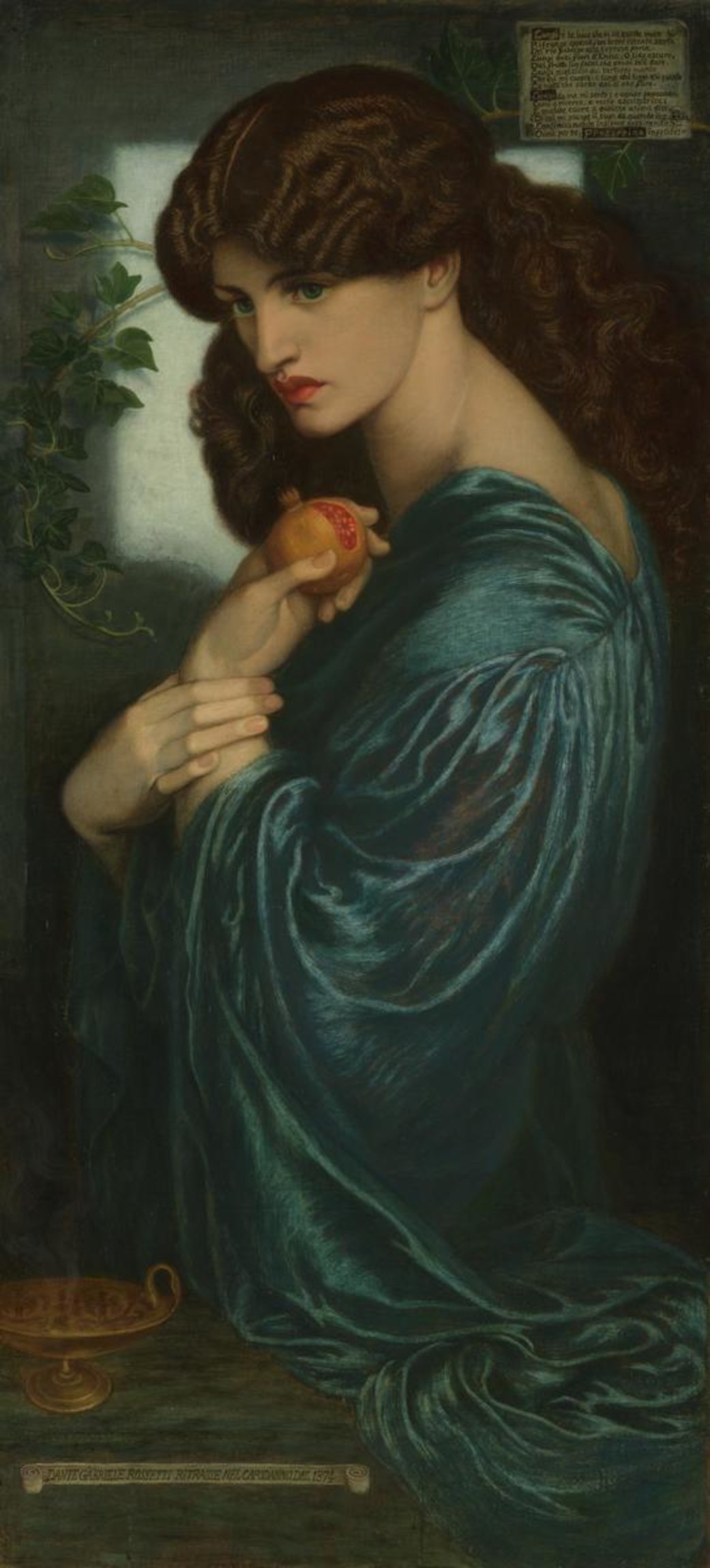
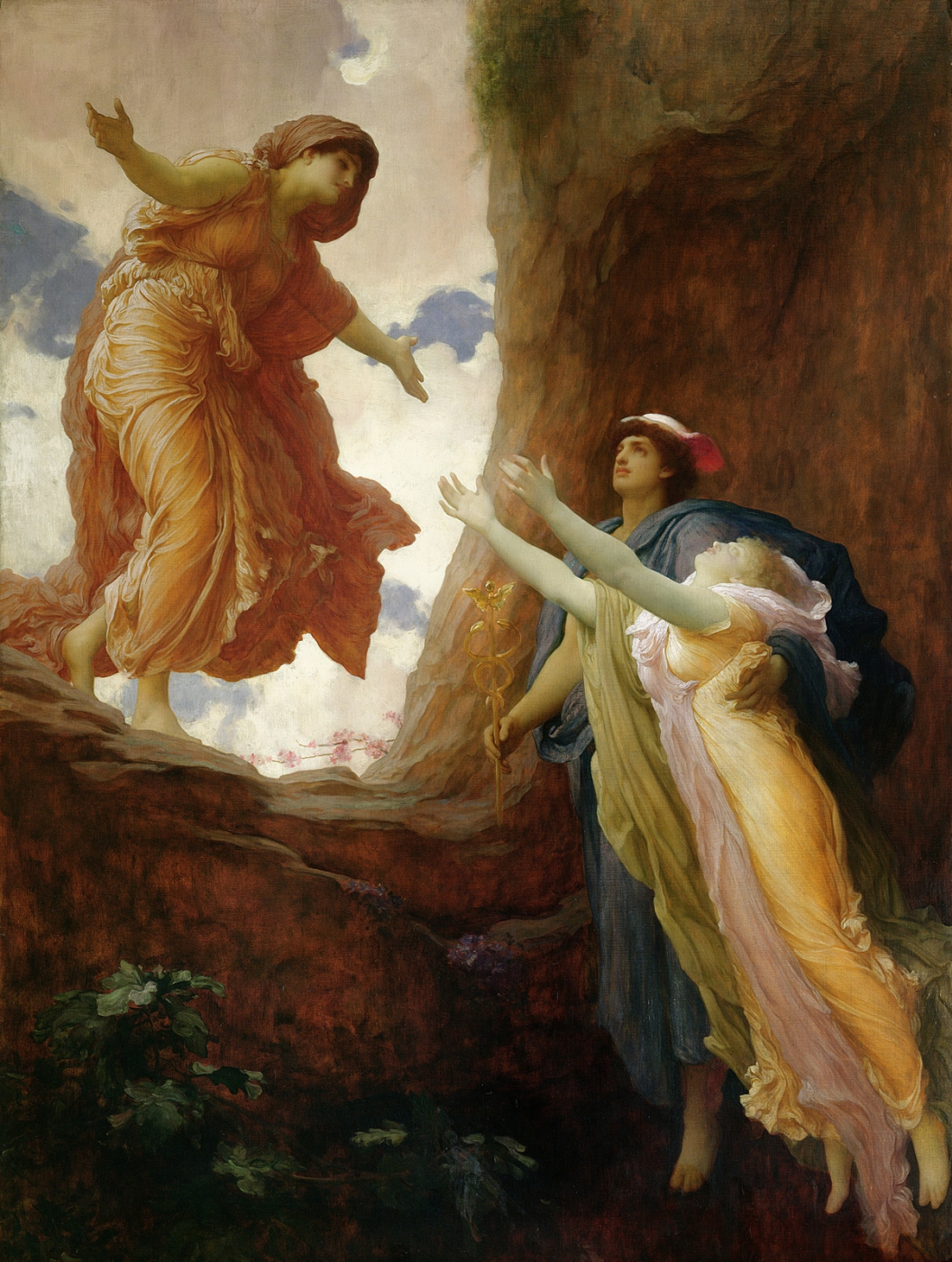
“Of rich-haired Demeter, awful goddess, I begin to sing — of her and her trim-ankled daughter whom Hades snatched away.”
Homeric Hymn to Demeter
“Happy is he among men upon earth who has seen these mysteries.”
Homeric Hymn to Demeter — on the Eleusinian rites
“The earth herself, of her own accord, brought forth grain in abundance once more.”
Homeric Hymn to Demeter
Demeter ties myth to grief, loss, and renewal: her story asks whether anything good can grow back after tragedy — and answers, cautiously, yes.
The cycle of death and return at the heart of her myth is a meditation on suffering. Winter is real and loss is real — but so is spring. The myth refuses both naive optimism and despair.
The Eleusinian Mysteries took this further, offering initiates a hope about the soul's fate after death. In Demeter, the rhythms of nature and the deepest questions about mortality and meaning are already braided together.
Grief and renewal in nature — the promise that life returns.
Death as a fixed, final realm — what does not come back.
Agriculture, grain, the harvest, fertility, and motherhood. The fruitfulness of the earth depends on her.
When Hades took Persephone, Demeter's grief stopped the harvest. Persephone's yearly return brings spring and summer; her descent to the underworld brings autumn and winter.
Secret initiation rites centered on Demeter and Persephone at Eleusis, among the holiest in the Greek world. They offered initiates hope concerning the soul and the afterlife.
Yes — Ceres is the Roman name for the same harvest goddess; the word 'cereal' comes from her.
When I am not reading Homer or Nietzsche, I tune databases, design high-availability systems, and run cloud migrations.