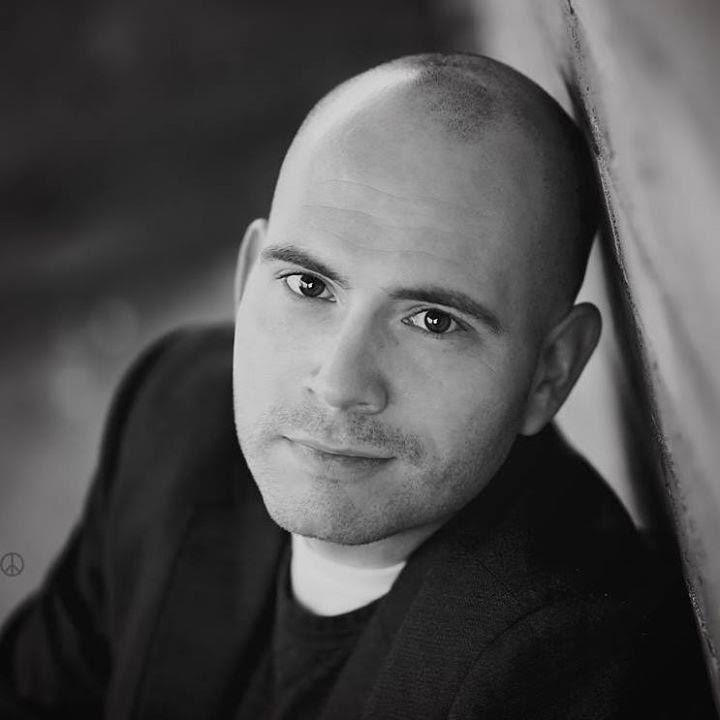
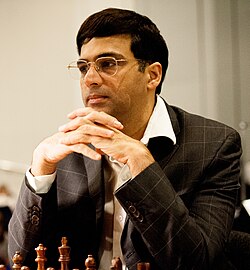
Viswanathan Anand
India's first world champion and the great unifier. Undisputed champion from 2007 to 2013, "Vishy" Anand was the fastest calculator of his generation — the "Lightning Kid" who dominated every time control from classical to blitz. He opened chess to a billion people and produced, late in his career, one of the most beautiful attacking games ever played.
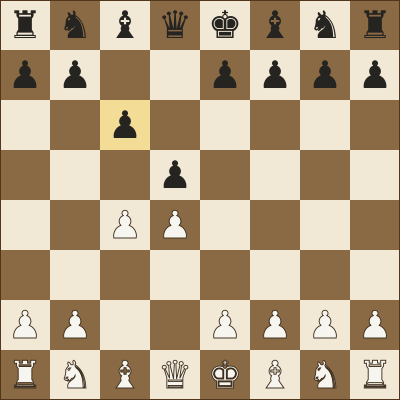
Aronian–Anand, Wijk aan Zee 2013 — "Anand's Immortal." Out of a Semi-Slav like this, Anand (Black) launched a storm of sacrifices beginning with 15...Bc5! and crushed one of the world's best players in just 23 moves.
Born
1969 · Chennai, India
World Champion
FIDE 2000; undisputed 2007–2013 — first Indian and first Asian champion
Signature Game
Aronian–Anand, Wijk aan Zee 2013 — "Anand's Immortal"
Nickname
The "Lightning Kid" — peerless speed and calculation
Speed, universality, and a nation's chess awakening
Anand became India's first grandmaster in 1988, when the country had almost no chess infrastructure, and rose to the very top through sheer natural speed. His calculation was so fast that opponents felt rushed simply sitting across from him; he was, for years, the best rapid and blitz player in the world as well as a classical champion. His style was universal — comfortable attacking or defending, in sharp theory or quiet positions — and remarkably free of ego or drama.
His impact on India is hard to overstate. He was the first Asian world champion, and the chess boom he set off has produced the wave of brilliant young Indian grandmasters competing for the world title today. For his achievements he received the Padma Vibhushan, one of India's highest civilian honours.
Champion of a reunited title
Anand first won a world championship in 2000, taking the FIDE title. But his defining reign began in 2007, when he won the undisputed crown that Vladimir Kramnik had reunified the year before. Anand then did something rare: he defended it three times, beating Kramnik (2008), Topalov (2010), and Gelfand (2012) — proving himself across match play against the very best. His reign ended in 2013 when a 22-year-old Magnus Carlsen took the title, opening the current era.
Aronian–Anand, Wijk aan Zee 2013
Even at the height of his title reign, this game stands apart. Playing Black against Levon Aronian — then world #2 — Anand prepared a deep novelty in a Semi-Slav and then sacrificed, and sacrificed again, in a cascade that Aronian could not survive. The whole thing lasted just 23 moves. Commentators reached for the word "immortal," and it stuck.
6. Bd3 dxc4 7. Bxc4 b5 8. Bd3 Bd6 … a novelty on move 12 …
15... Bc5! 16. Be2 Nde5 17. Bxg4 Bxd4 18. Kh1 Nxg4 19. Nxf8 f5!
The beauty of the combination is that Anand gives back material to keep the initiative, refusing to grab the obvious and instead pouring more pieces toward the white king. The quiet 19...f5! — bringing the last attacker into the assault while ignoring a captured rook — is the signature touch: calm in the middle of chaos. It is calculation as art, from the fastest mind of his generation.
Where his games live in this library
1.e4 and the Sicilian
For much of his career Anand was a devoted 1.e4 player and a deep expert in the Sicilian from both sides — the sharp, theory-rich battlegrounds that rewarded his speed and calculation.
The Semi-Slav and 1.d4
Later he broadened into 1.d4 and the rich strategic territory of the Slav and Semi-Slav — the very complex that produced his 2013 immortal against Aronian.
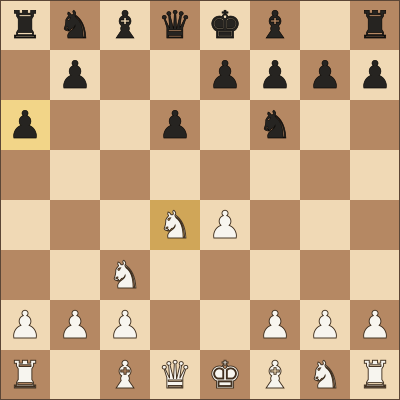
The Najdorf Sicilian — the sort of razor-sharp, deeply analyzed position where Anand's lightning calculation gave him an edge over almost anyone, with either colour.
Viswanathan Anand — FAQ
Why is Anand important to Indian chess?
He became India's first grandmaster in 1988 and its first world champion, igniting a chess boom in the country. As the first Asian to win the World Championship, he inspired a generation — the wave of young Indian grandmasters competing for the world title today grew up idolizing him.
What is the Anand–Aronian 2013 game famous for?
Playing Black against Aronian at Wijk aan Zee 2013, Anand unleashed a stunning series of sacrifices out of a Semi-Slav — beginning with 15...Bc5! — that overwhelmed one of the world's best players in just 23 moves. Often called "Anand's Immortal," it is one of the finest attacking games of the modern era.
How long was Anand world champion?
He was undisputed champion from 2007 to 2013, defending against Kramnik (2008), Topalov (2010), and Gelfand (2012) before losing to Magnus Carlsen in 2013. He also won the FIDE title in 2000, making him a multiple-time world champion across formats.
The Semi-Slav — the complex that produced Anand's 2013 immortal against Aronian.
The Najdorf Sicilian — the razor-sharp 1.e4 theory where Anand's speed shone.
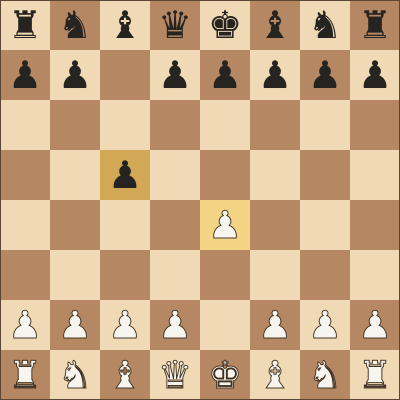
The Sicilian — Anand's lifelong battleground from both sides of the board.
- Aronian–Anand, Wijk aan Zee (Tata Steel) 2013 — "Anand's Immortal," game record.
- World Chess Championship matches 2007, 2008, 2010, 2012 (Anand title defenses).
- Viswanathan Anand — biography and Britannica profile.
- The Week in Chess / ChessBase coverage, Tata Steel 2013 Round 4.
The lineage continues
Anand took the unified crown from Kramnik in 2007 and held it until Carlsen's arrival in 2013 — the bridge into the modern era. Explore the rest of the lineage.