Evander
Arcadian settler before Romulus
Anna Perenna
Goddess of the year & long life
Acca Larentia
Foster-mother of the founders
Evidence
Legendary, not historical
Three figures at the edge of the founding
Rome’s foundation story did not stop at Romulus and Remus. Around its edges gathered figures who explained where the city’s sacred sites, festivals, and customs came from: a Greek settler who put the site on the map before Rome existed, a goddess who governed the turning of the year, and a foster-mother woven into the legend of the she-wolf. Together they show Roman myth-making at work — connecting Rome to Greece, anchoring popular festivals, and generating competing origin stories for a single name.
An honest note on evidence. None of these three is historical, and the ancient sources know it: they hand down rival versions rather than settled biographies. Evander is largely a literary creation (grade B/D), useful to Roman authors who wanted to link Italy with Greece while claiming great antiquity for Roman ground. Anna Perenna is a genuine cult figure of the Roman calendar (grade B) but with several competing origin tales. Acca Larentia is the thinnest (grade B/C): her accounts openly contradict one another. As with many minor Roman figures, some of what survives comes down through late and hostile Christian writers — Augustine’s City of God among them — who preserved such traditions in order to mock them, so that testimony should be read as polemic, not neutral report.
Settler, goddess, and foster-mother
Evander
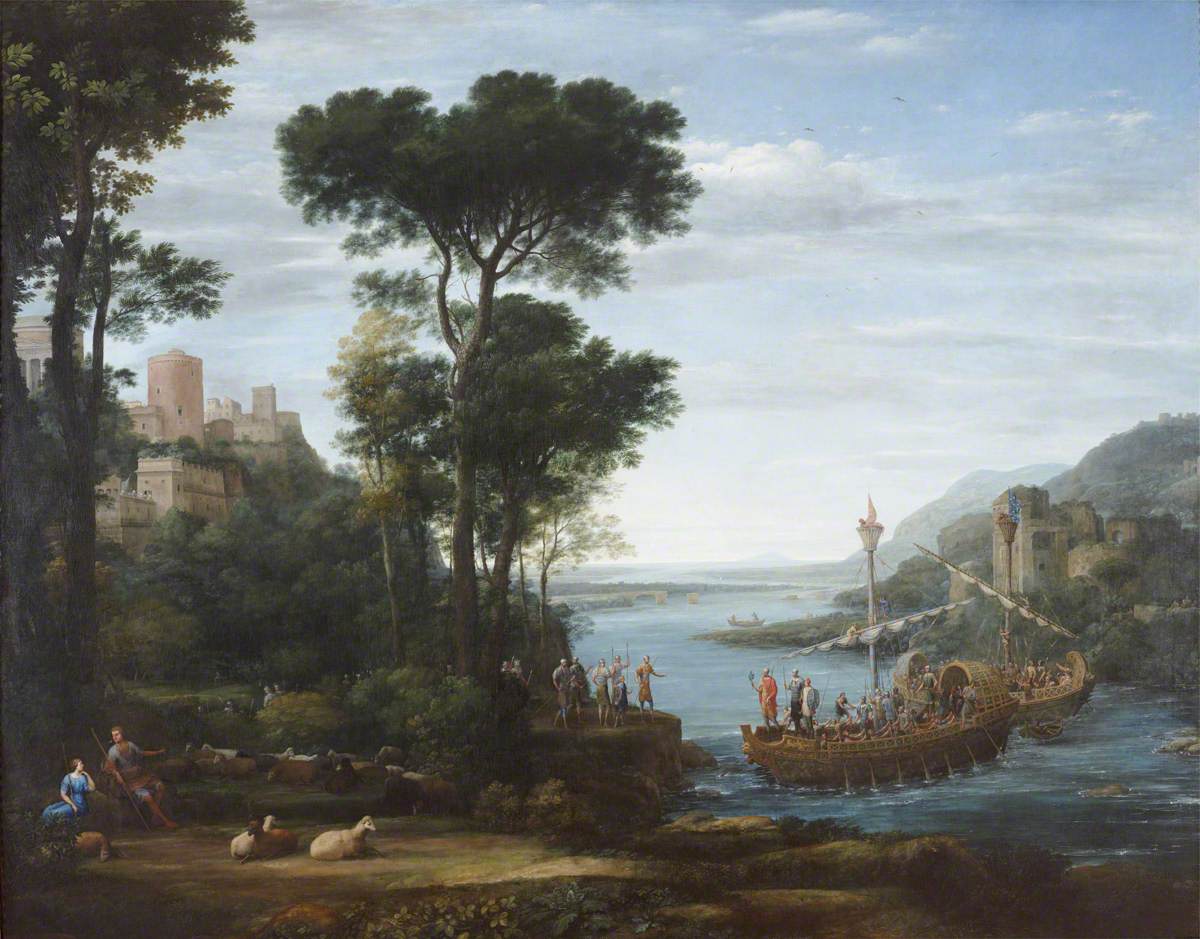
Evander was a legendary Arcadian settler said to have established a community on the future site of Rome long before Romulus — a culture hero who let Roman authors connect Italy with Greece while still claiming deep antiquity for Roman sacred ground. In Virgil’s Aeneid he becomes Aeneas’s ally and the father of Pallas, and in Book 8 he famously guides Aeneas through a humble landscape that Virgil’s audience recognizes as the site of the future city — one of literature’s great techniques of showing a famous place before it exists. He also connects the story to Hercules and the Ara Maxima, the “Greatest Altar” in the cattle market. His alliance turns to grief when his son Pallas is killed by Turnus, and his historical existence cannot be demonstrated. His lasting importance is literary: he is a hinge between Greek and Roman legend and a model for how a poet can conjure a city out of its own past.
Anna Perenna
Anna Perenna was a Roman goddess of the year’s cycle, of longevity and renewal — a distinctly Roman, popular, calendrical figure rather than a borrowed Greek one. Her festival fell on the Ides of March and was celebrated outdoors with feasting and drinking, revelers wishing themselves as many more years of life as the cups of wine they downed: cult as cheerful, popular festivity rather than solemn elite ceremony. Ovid’s Fasti 3 preserves both the festival and a comic tale in which Anna deceives Mars — when the war-god enlists her help to win Minerva, she disguises herself as the bride and unveils the joke, one of Roman myth’s funniest divine practical jokes. Her origins are radically uncertain; Ovid offers several explanations rather than one authoritative biography. She matters as evidence that Roman religion had a genuinely popular, joyful register, and her name itself plays on annus and perennis — the year that runs on and on.
Acca Larentia
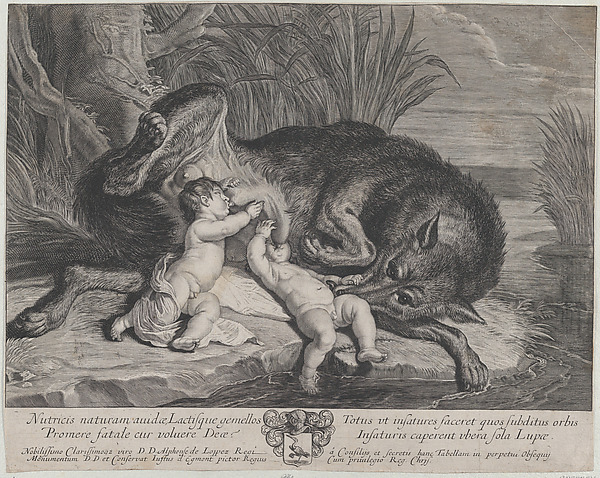
Acca Larentia was a legendary maternal figure remembered in strikingly different roles: in some accounts the nurse of Romulus and Remus and wife of the shepherd Faustulus; in others a benefactor whose property passed to the Roman people, or even a courtesan. Her cluster of biographies is myth-making caught in the act — a single ritual or name accumulating competing explanatory stories. Plutarch discusses the traditions of the twins’ fosterage and the telling ambiguity of the word lupa, which meant both “she-wolf” and, in slang, “prostitute” — a pun that may have generated the rival versions. There is no single secure biography; the ancient sources simply contradict one another. Her value is exactly this: she is a case study in how myth, language, and ritual generate alternative histories, and she stands behind the enduring she-wolf tradition at the heart of Rome’s foundation legend.
Famous public-domain depictions — click any image to view it full size.
Roman religion angleThese three show how Roman religion tied cult to place and calendar. Evander explains a sacred site (the Ara Maxima), Anna Perenna anchors a date (the Ides of March), and Acca Larentia is attached to the she-wolf legend and its rites. The competing versions are not a defect: Roman religion could carry several incompatible origin stories for one festival or figure without needing to resolve them into a single creed.
Were Evander, Anna Perenna, and Acca Larentia real people?
No. All three are legendary rather than historical. Their existence cannot be independently demonstrated, and the ancient sources themselves offer competing versions of who they were. They matter as figures of myth, cult, and civic memory, not as documented individuals.
Who was Evander in the Aeneid?
Evander was a legendary Arcadian settler said to have founded a community on the future site of Rome before Romulus. In Virgil’s Aeneid he becomes Aeneas’s ally and the father of Pallas, and he guides Aeneas through a landscape the Roman audience recognizes as the future city. He also links Rome to Hercules and the Ara Maxima. His son Pallas is later killed by Turnus, turning the alliance into personal tragedy.
What was the festival of Anna Perenna?
Anna Perenna was a goddess of the year’s cycle, longevity, and renewal, celebrated on the Ides of March with outdoor feasting and drinking. Revelers wished for as many further years of life as the cups of wine they drank. Ovid’s Fasti also preserves a comic tale in which she deceives Mars by disguising herself as Minerva.
Who was Acca Larentia?
Acca Larentia was a legendary maternal figure remembered in conflicting roles: nurse of Romulus and Remus, wife of the shepherd Faustulus, a benefactor whose property passed to Rome, or even a courtesan. Plutarch notes that the Latin word lupa meant both “she-wolf” and, in slang, “prostitute” — one reason the accounts of the twins’ fosterage multiplied. There is no single secure biography.
 Michael Paycer