A god for every threshold
Roman religion mapped the dangerous passage from birth into childhood with astonishing precision. A different divine power watched over the moment of birth, the cradle, the first suck of milk, the first solid food, the first drink, the first word, the first time a child stood upright, and even the small daily drama of leaving the house and returning to it safely. These are the indigitamenta — the specialized functional gods of ordinary life — and they show Roman religion at its most characteristic: less a set of grand stories than a system for sacralizing every threshold a human being crosses.
A candid warning belongs at the top. Most of these figures are thinly attested. Apart from a few with genuine state cult — Lucina, through Juno, and Carmenta, who had her own festival and priest — the birth and childhood gods survive mainly as bare names in antiquarian lists, and those lists reach us largely through hostile Christian writers, above all Augustine's City of God, who cataloged them to ridicule Roman polytheism. That testimony is genuinely useful, because it preserves otherwise lost tradition (much of it from the antiquarian Varro), but it is polemical, late, and second-hand. Read the entries below as evidence for how Romans thought about divine specialization, not as a record of rich, independently documented mythology.
Goddesses of birth and the newborn
Lucina
The divine power of childbirth, most often invoked as an epithet of Juno (Juno Lucina) and sometimes associated with Diana. Romans called on Lucina to bring the child safely into the light — her name was heard as tied to lux, “light.” She shows how a great goddess could be summoned under a specialized title for a single life crisis, the moment of birth. “Lucina” survived as a poetic word for childbirth and still appears in art, literature, and scientific naming. Evidence: A/B — one of the securely attested figures here.
Carmenta
An ancient goddess of prophecy, childbirth, and inspired utterance, whose name Romans linked with carmen, “song” or “oracle.” Unlike most gods on this page she had real public cult: her own priest (a flamen) and festivals called the Carmentalia. Legend made her the mother of Evander, tying her to Rome's mythic prehistory before the city was founded. She bridges maternity, prophecy, and foundation legend, and remains important in the study of archaic Roman priesthood and women's ritual. Evidence: B.
Cunina
The power said to protect the infant in the cradle (cunae). She is one of the highly specialized childhood deities preserved almost entirely through antiquarian material cited by Christian critics; no rich mythology, temple history, or independent theology survives. Her value is as an illustration — of how thoroughly Roman religion could sacralize each small stage of an infant's earliest life. Evidence: C.
Rumina
Associated with the suckling and nursing of infants, her name traditionally linked with ruma, “teat.” The ficus Ruminalis, the sacred fig tree under which Romulus and Remus were said to have been suckled, connects her to Rome's own foundation story. The relationship among goddess, tree, and etymology is uncertain, and no direct speech survives, but she matters in the study of Roman infancy and founding myth. Evidence: C.
A god for every step: feeding, speaking, standing, coming and going
Educa
Also spelled Edusa, a deity associated with a child's eating and nourishment — the transition to solid food. She is known chiefly through late discussion of the Roman indigitamenta, the lists or formulas of specialized divine names, and Augustine's hostile testimony is evidence for Roman antiquarian classification rather than a neutral transcript of everyday worship. Mainly valuable as a window onto Roman religious specialization. Evidence: C.
Potina
The counterpart of Educa for drinking: a specialized power presiding over an infant's ability to take liquid. Like Educa she is preserved largely through antiquarian material cited by Christian writers, and any claim to a major independent cult would go well beyond the evidence. She stands as a small, telling example of how granular the Roman mapping of divine functions onto ordinary life could become. Evidence: C.
Fabulinus
Said to preside over a child's first speech or first words — the name recalls the Latin roots for speaking and story (fari, fabula). A highly specialized childhood divinity from the antiquarian tradition, known through sparse, late, and often hostile testimony, with no substantial mythology or archaeology behind him. Useful for the history of Roman childhood and for understanding just how far divine specialization could be pushed. Evidence: C.
Statanus
Also given as Statinus, the power who helped a child stand upright for the first time. Name, gender, and exact form vary across the late testimony, and no narrative biography survives — a reminder of how uncertain these figures are. He interests scholars mainly as part of the Roman taxonomy of childhood development, each new physical achievement matched to its own divine guardian. Evidence: C.
Adeona
Associated with approaching, arrival, or the safe return of a child. She belongs to a paired set of functional powers, contrasted with Abeona, who governed departure. Known almost entirely through antiquarian and polemical lists, with no secure independent cult record, she is a useful example of Roman religion assigning sacred meaning to movement and transition — even a child coming home. Evidence: C.
Abeona
The complement of Adeona: the power associated with going away or departure, conceptually paired with her sister-function of return. The evidence is sparse and mediated, and no full mythology survives, but the pairing itself is revealing. Between Adeona and Abeona, the ordinary act of a child leaving the house and coming back became a matter watched over by the gods. Evidence: C.
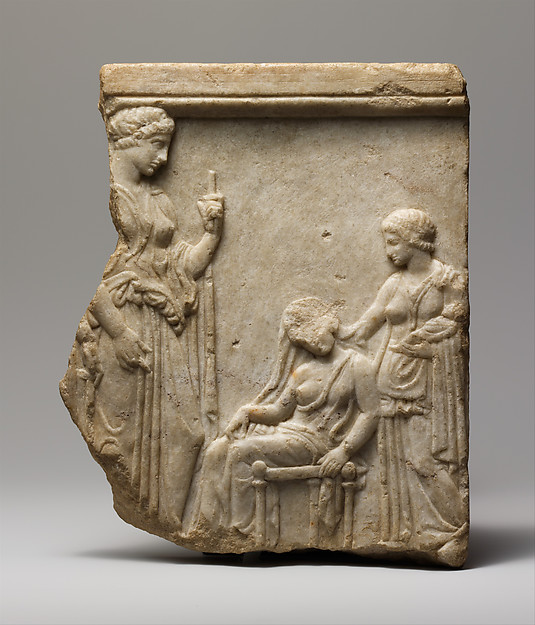
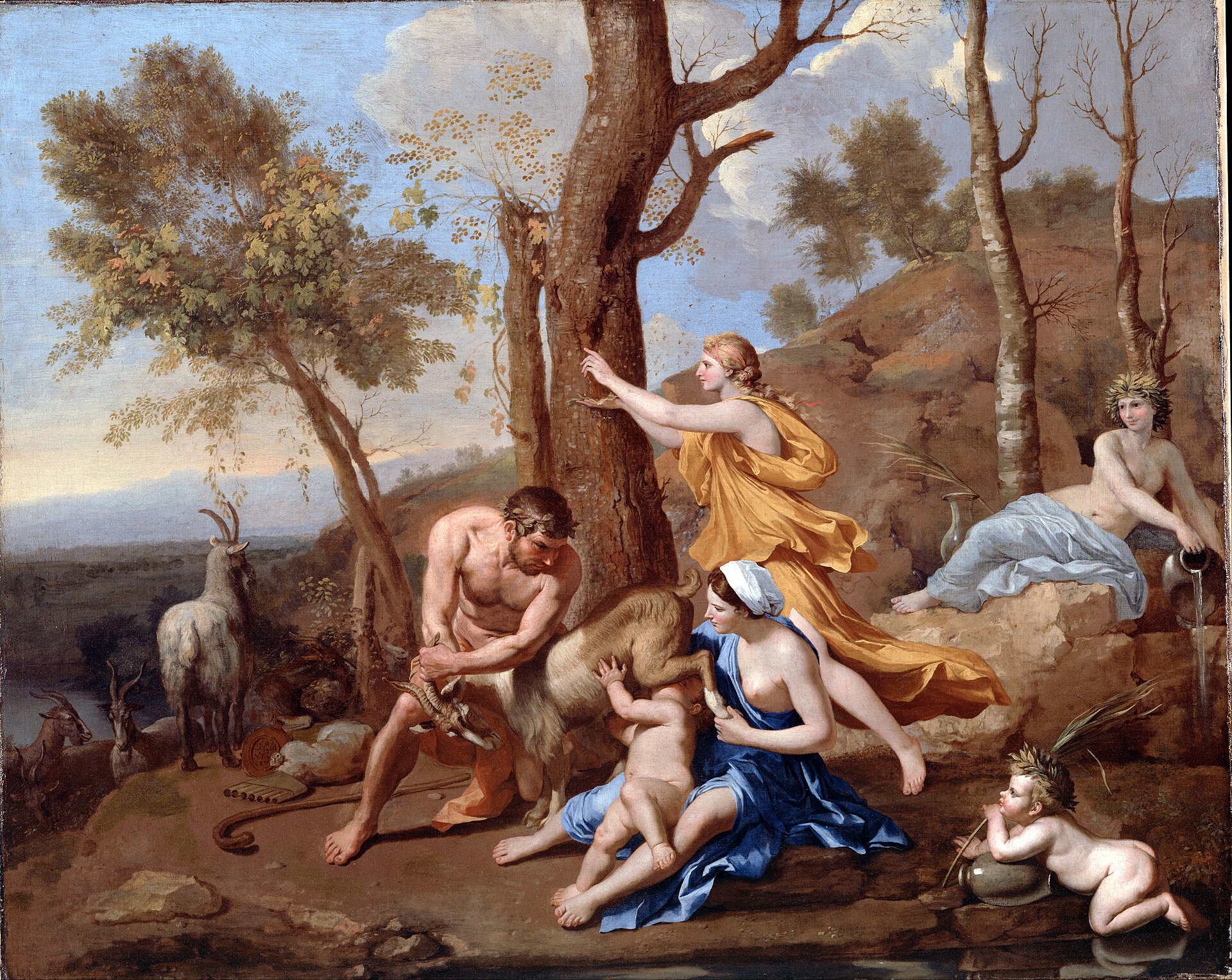
These minor deities left little securely identified iconography — click any image to view it full size.
Did the Romans really have a god for every stage of childhood?
Broadly, yes. Roman antiquarian tradition mapped a specialized divine power onto each threshold of early life — birth, the cradle, nursing, the first solid food, the first drink, the first word, standing, and going out and coming home safely. These functional gods, part of what later writers called the indigitamenta, show Roman religion as a system for sacralizing everyday transitions rather than a body of grand stories.
Who was Lucina?
Lucina was the divine power of childbirth, most often invoked as an epithet of Juno (Juno Lucina) and sometimes associated with Diana. Romans called on her to bring the child safely into the light, and “Lucina” survived as a poetic word for childbirth itself.
How do we know about gods like Cunina, Educa, and Potina?
Mostly from antiquarian lists that survive through later, hostile Christian writers — above all Augustine's City of God, drawing on the lost work of Varro — who cataloged these minor gods to ridicule Roman polytheism. The testimony preserves real tradition but is late, second-hand, and polemical, so these figures are thinly and unevenly evidenced.
What is the difference between Adeona and Abeona?
They were a paired set of functional powers governing movement: Adeona was associated with approaching, arrival, and safe return, while Abeona was associated with going away and departure. Together they illustrate how Roman religion could assign sacred meaning even to a child leaving the house and coming back.
 Michael Paycer