Who is Pietas?
Pietas personified dutiful devotion — to the gods, to family and ancestors, and to country. It was one of Rome's central moral ideals, and, like other such abstractions, it could be represented and worshipped as a goddess. Pietas is the sense that you owe things larger than yourself: reverence upward to the gods, loyalty inward to family, and service outward to the state.
The word resists easy translation. It is not best rendered simply as “piety.” Duty, loyalty, reverence, and responsible relationship are all bound up in it. To have pietas was to honor every obligation that made you who you were.
Origins & history
Pietas grew out of the practical fabric of Roman life long before it became a philosophical theme: the duties a son owed his father, a citizen his city, and every Roman the gods who guarded them. Rome gave the ideal cultic form, dedicating a temple to Pietas and stamping her image on coinage, where she stands for the loyalty binding family, ruler, and state.
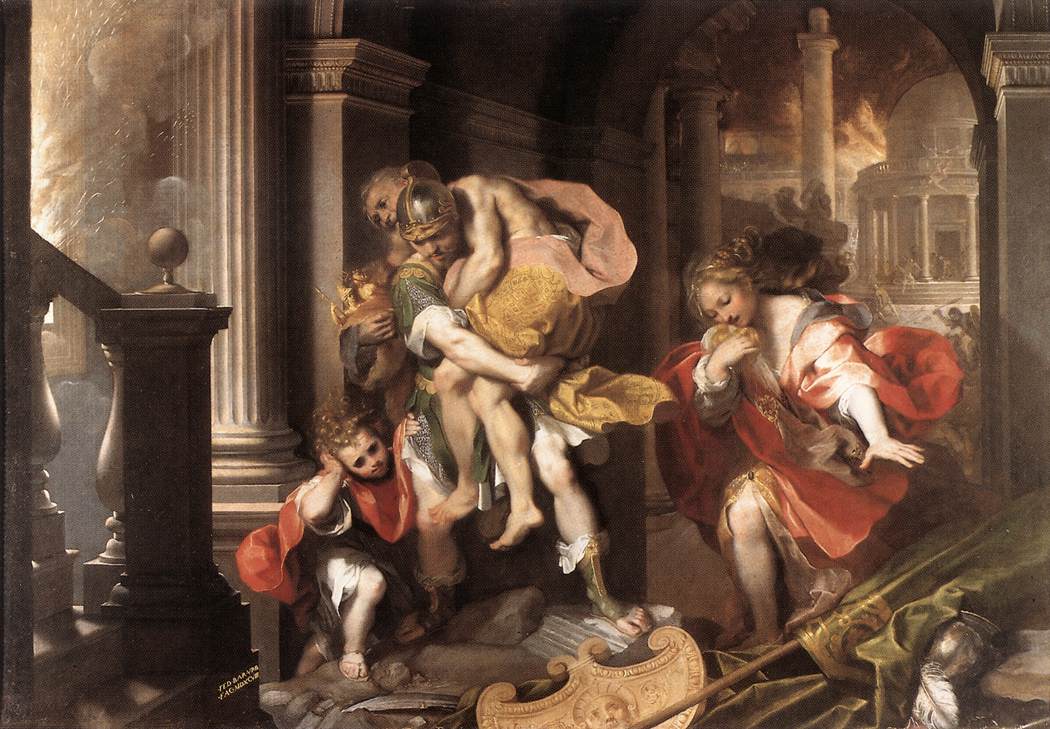
Its greatest literary monument is Virgil's Aeneid. There Aeneas is defined by pietas — carrying his aged father from burning Troy, honoring the gods' commands, and subordinating his own desires to the destiny of his people. Pietas became the ethical measure against which a Roman life could be judged.
Cult & worship
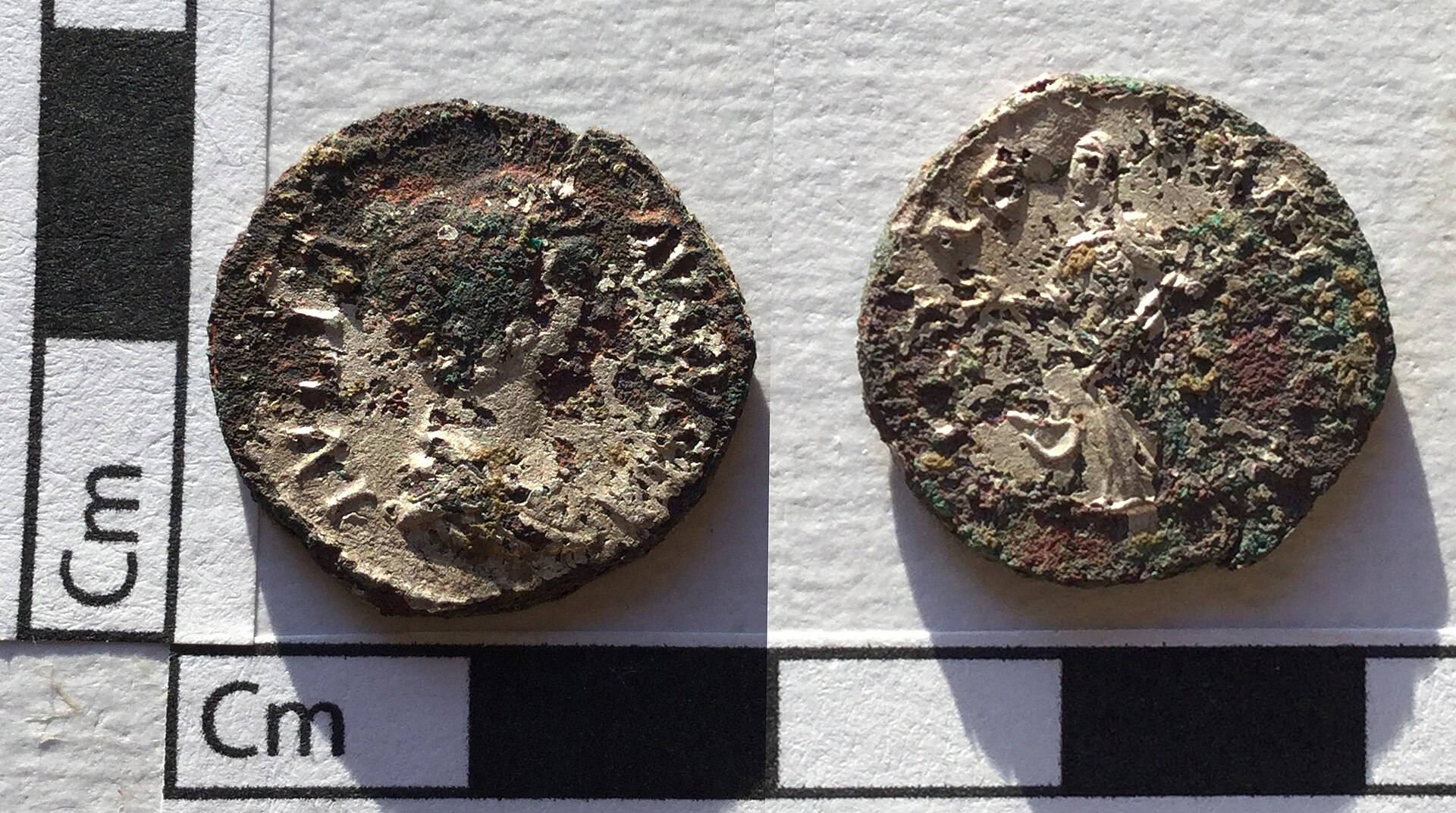
Pietas was more than a private virtue; she was publicly honored. A temple of Pietas stood in Rome, and her personification appears on imperial coins as a veiled figure at an altar — an image advertising the loyalty and dutiful devotion that held the Roman order together. This is characteristic of Roman religion: rather than leaving pietas an abstract ideal, Rome made it cultically present, something you could dedicate, depict, and invoke. To honor Pietas was to affirm publicly that duty to gods, family, and country was sacred.
A distinctly Roman virtue
Unlike most figures in this cluster, Pietas has no true Greek counterpart to set beside her. She is not a Latin mask over an older Greek deity but a genuinely Roman ideal — the concentrated expression of how Romans thought a person should stand toward the gods, the family, and the state. The nearest Greek notions, such as eusebeia (reverence), capture only the religious edge of pietas and miss its sweep across family loyalty and civic duty. To understand pietas is to understand something Rome valued in its own right.
Famous myths & stories
Pius Aeneas
Virgil repeatedly calls his hero “pious Aeneas” (pius Aeneas). Fleeing the sack of Troy, Aeneas carries his father Anchises on his shoulders and leads his son by the hand — an image of pietas made visible, duty to the past and the future borne at once. Pietas is the ethical spine of Rome's national epic.
The cost of duty
Pietas can demand terrible things. Aeneas abandons Dido, whom he loves, because destiny commands it, and at the epic's close he kills Turnus in a surge of rage. Virgil leaves readers to debate where duty ends and cruelty begins — proof that Rome's highest virtue was not a comfortable one.
Pietas at the altar
On Roman coins Pietas appears as a veiled woman standing at an altar, sometimes with a stork — a bird believed to care for its aged parents. The image turns the whole ideal into a single gesture: reverence offered, and obligations faithfully kept.
Legacy & influence
Pietas became a major concept in Roman ethics and passed, transformed, into Christian Latin, where pietas shaded toward devotion and mercy. It shaped political rhetoric, art, and the long scholarly conversation about duty and obligation. The English words “piety” and “pity” both descend from it — a reminder that reverence and compassion were once felt as parts of a single virtue. Whenever we speak of doing one's duty to family and country, Pietas stands behind the phrase.
Symbolism
Her imagery distills the ideal. The veiled figure at the altar is reverence toward the gods; the stork, thought to tend its aging parents, is loyalty to family across generations; the clasped or extended hands speak of good faith and bonds honored. Together they say what Rome meant by pietas: devotion that reaches upward, inward, and outward at the same time.
Famous public-domain depictions — click any image to view it full size.
What did pietas mean to the Romans?
Dutiful devotion to the gods, to family and ancestors, and to country. It bound religious obligation, family loyalty, and public service into a single ideal — the sense of doing right by everyone and everything you owe.
Is pietas the same as “piety”?
No. English “piety” now suggests mainly religious devotion, but Roman pietas was much broader: duty, loyalty, reverence, and responsible relationship toward gods, family, and state all at once. Translating it simply as “piety” loses most of its meaning.
Why is Aeneas called “pius Aeneas”?
Virgil repeatedly calls his hero “pious Aeneas” (pius Aeneas) because Aeneas carries obligations larger than his own desires — to the gods, to his father and son, and to the future of his people. Pietas is the ethical spine of Rome's national epic.
Was Pietas a goddess?
Yes. Like other Roman moral ideals, Pietas could be personified and worshipped as a goddess, with a temple in Rome and appearances on coins. This shows how Roman religion made ethical abstractions cultically present rather than keeping them purely philosophical.
 Michael Paycer