Who are Castor and Pollux?
Castor and Pollux were the divine twins — the Dioscuri — adopted into Roman religion from the Greek world. At Rome they were associated with the cavalry, with rescue, with brotherhood, and with military victory. They were worshipped in a prominent temple in the Roman Forum and stood among the most visible of the city's imported gods.
Their appeal is fraternal and martial at once. They are a pair, never a single figure, and the meaning of the pair — two brothers who ride together, fight together, and refuse to be parted even by death — is the heart of their cult. To the Romans they were above all the gods of the horsemen and the guarantors of loyalty between brothers-in-arms.
Origins & history
The twins came to Rome from Greek cult, but Roman tradition gave them a decisive local story. At the Battle of Lake Regillus, it was said, Castor and Pollux appeared and fought for Rome, then rode to the Forum to announce the victory before any ordinary messenger could arrive. In gratitude Rome honored them with a temple in the Forum, at the very center of the city's public life.
The apparition is legendary, not independently verifiable military reportage, and their Roman identity is heavily inherited from Greek cult. But that is exactly what makes them a good case study: Rome took Greek divine twins, attached them to a Roman battle and a Roman temple, and made them patrons of a distinctly Roman institution — the equestrian order.
Cult & worship
The Roman cult of the twins was especially connected with equestrian identity: they were patrons of the cavalry, and their worship was bound up with the honor and self-image of Rome's horsemen. Beyond the battlefield they were rescuers — invoked by those in danger, including at sea — and symbols of fraternal loyalty. Their temple in the Forum kept them close to the political and military heart of the city, and their apparition at Lake Regillus was retold as proof that they still rode to Rome's aid.
Greek equivalent
Castor and Pollux are the Roman form of the Greek Dioscuri — the "sons of Zeus" — and their myths, including the story of shared immortality, are inherited from that tradition. The Greek twins have no separate page here; they belong to the broader world of Greek mythology. What Rome added was the local anchoring: a Roman battle, a Forum temple, and a firm tie to the cavalry that made the imported twins genuinely Roman gods.
Famous myths & stories
The apparition at Lake Regillus
Roman historians and antiquarians preserve the tradition that the twins fought for Rome at the Battle of Lake Regillus and then appeared in the Forum to announce the victory. It is the founding story of their Roman cult — a divine endorsement of Roman arms staged in the city's own public square.
Shared immortality
In the inherited Greek myth, Pollux is immortal and Castor mortal. Rather than accept eternity apart from his brother, Pollux shares his immortality with Castor, so the twins are never fully divided. The story makes brotherhood itself the twins' defining virtue — loyalty that outlasts death.
Rescuers and patrons of the cavalry
The Dioscuri were called on as rescuers — riders who arrive in the moment of danger — and as patrons of the horsemen. Their image as mounted saviors links their battlefield apparition to their wider role as protectors of those who ride and those in peril.
Legacy & influence
The twins endure most visibly in the sky: they give their names to the constellation Gemini and to its two brightest stars, Castor and Pollux. Beyond astronomy their legacy runs through art, ships named for their protection, military symbolism, and the wider mythology of twins. Wherever two figures stand for inseparable loyalty, the Dioscuri are somewhere behind the image.
Symbolism
Their attributes state their nature: the twin stars are the brothers set in the sky, equal and paired; the horses are the cavalry they patronize and the speed of their rescue; the pointed caps — often shown topped with stars — mark them as a matched pair, two halves of one identity. Together they say what Rome meant by them: brotherhood, sworn loyalty, and help that arrives on horseback.
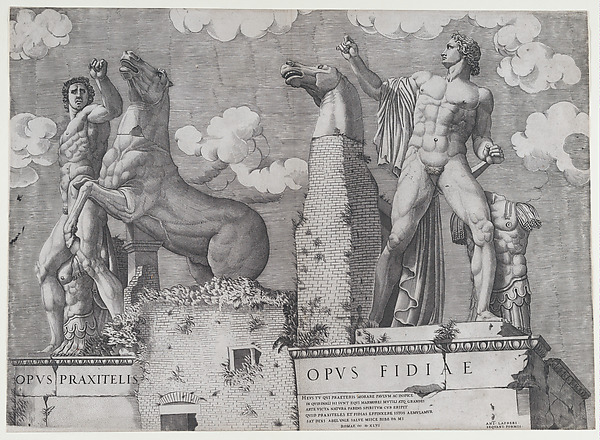
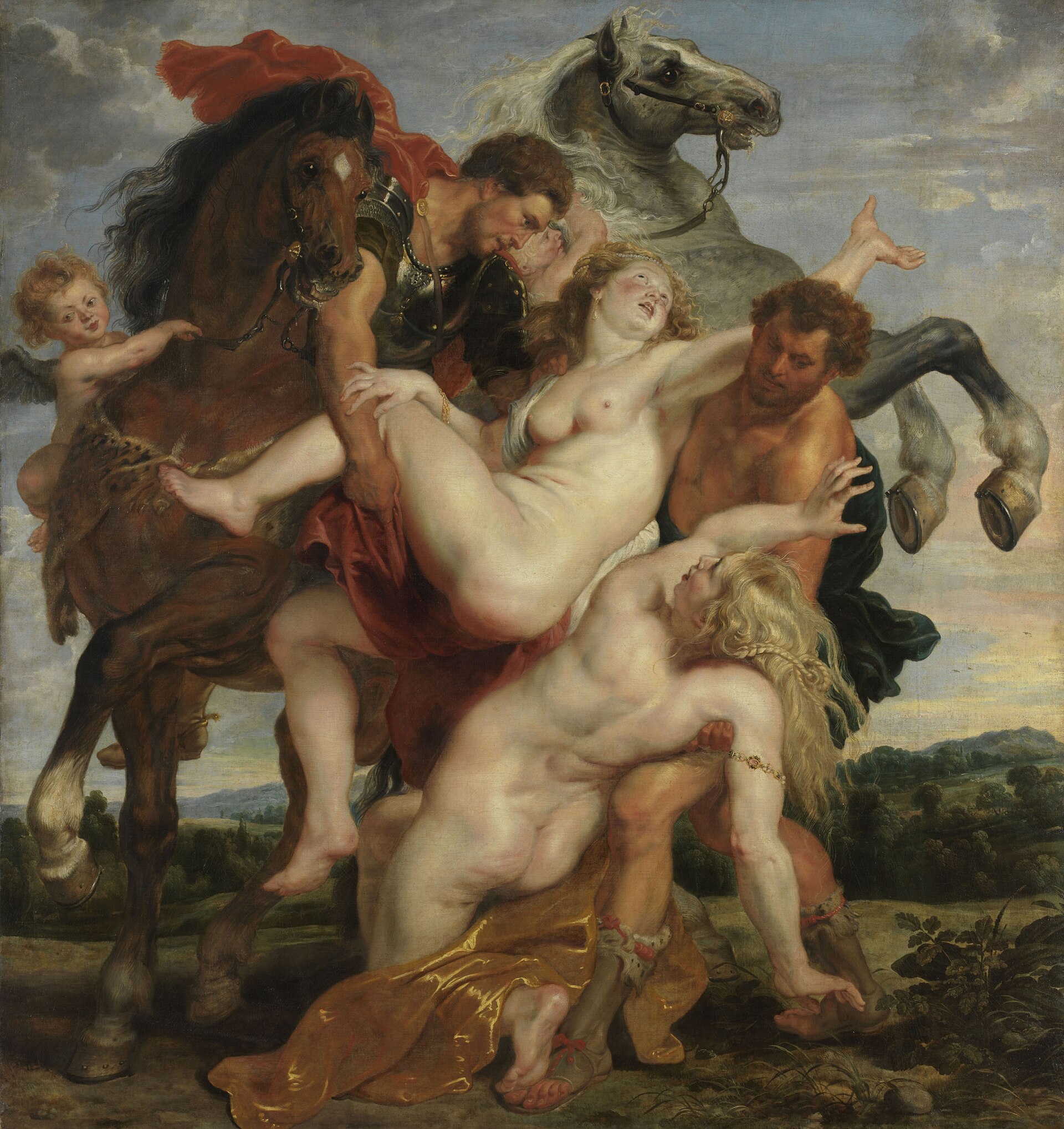
Famous public-domain depictions — click any image to view it full size.
No secure first-person quotation of Castor or Pollux survives. The ancient evidence is narrative and cultic — historians and antiquarians preserve the Lake Regillus apparition, but no single first-person divine speech is historically verifiable. To avoid inventing words, no direct quotation is printed here.
Who were Castor and Pollux?
The divine twins, known in Greek as the Dioscuri. Adopted into Roman religion, they were associated with the cavalry, with rescue, with brotherhood, and with military victory, and were worshipped in a prominent temple in the Roman Forum.
What happened at the Battle of Lake Regillus?
Roman tradition held that the twins appeared at the battle, fighting for Rome, then rode to the Forum to announce the victory before news could arrive by ordinary means. The apparition is legendary rather than independently verifiable, but it anchored their Roman cult.
Were Castor and Pollux gods or mortals?
They bridge mortality and immortality. In Greek myth Pollux is immortal and Castor mortal, and Pollux chooses to share his immortality with his brother so the twins are never fully parted.
Are Castor and Pollux the Gemini twins?
Yes. They give their names to the constellation Gemini and to its two brightest stars, Castor and Pollux. Their legacy runs through astronomy, art, ships, and military symbolism.
 Michael Paycer